Highlights
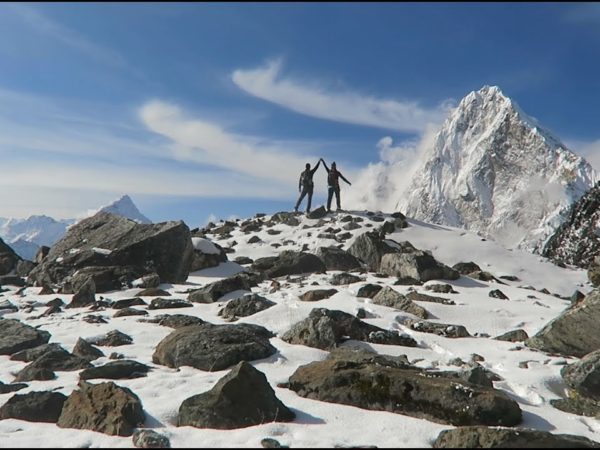
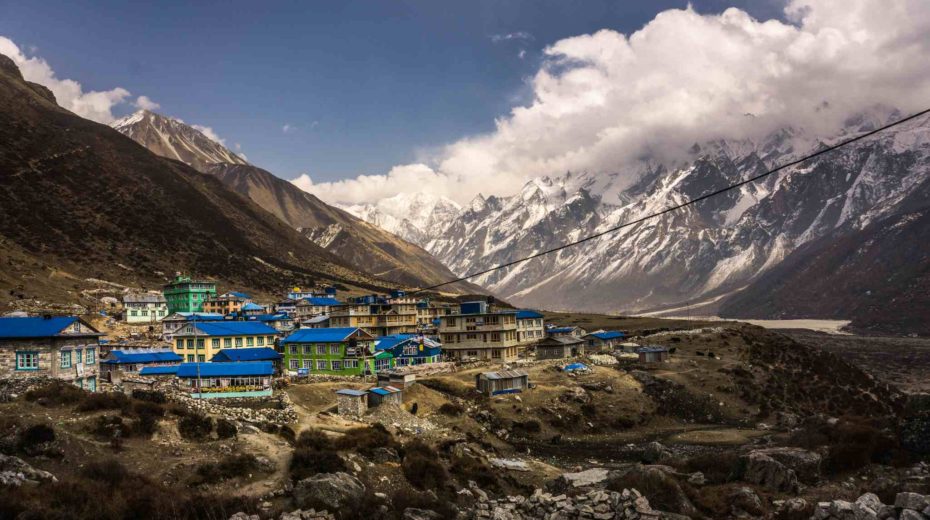
- Walking into high and scenic Langtang valley within towering peaks and scenic landscapes In the heart of Langtang Himal at Kyanjin Gompa with glorious panorama of snow-capped peaks.
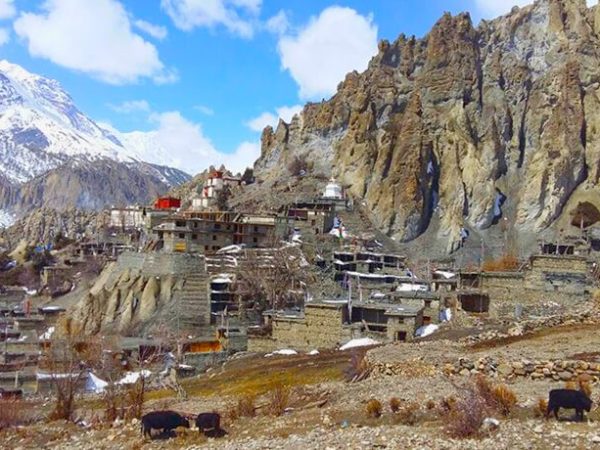
- Around Tamang villages enriched with old culture of great interest and ancient traditions.
- Walking into charming alpine forest of tall rhododendron-magnolia-oaks-pine and fir trees From low warm paddy fields to alpine cooler hills to arctic zone of ice and glaciers.
Overview
Langtang Valley is located North of Kathmandu at a mere distance of 32 km as the crow flies, but the drive takes nearly six hours to reach the starting point of the trek at Syaprubesi village located in Rasuwa District. Langtang is the home of the Tamang people interwoven with Buddhist teaching enriched with colorful traditions and cultures which you can witness on the walks exploring farm villages of Tamang People of great interest.
After an exciting drive from Kathmandu walks into a gorge covered with a dense forest of rhododendron-oaks-pines-magnolia and fir trees including some bamboo groves where rare and endangered Red Panda are found on this scenic area. Finally walk brings you to the beautiful Langtang Valley in Kyanjin Gompa encircled by arrays of high towering mountains overlooking Langtang Himal, as far towards Jugal Himal extends towards Dorji Lakpa in the east.
With a wonderful time around scenic Langtang Valley, our short adventure concludes by walking back to the road head for the drive to Kathmandu with a great enjoyable and marvelous adventure on Langtang Valley Trekking.
The Ultimate Guide to the Langtang Valley Trek: Nepal’s Best Kept Secret
Tucked away just north of Kathmandu lies a breathtaking glacial valley that remains remarkably untouched by the massive crowds found in the Everest and Annapurna regions. The Langtang Valley trek offers a brilliant combination of snow-capped peaks, ancient Tibetan-style culture, and lush alpine forests. Known affectionately as the “Valley of Glaciers,” this route provides a deeply rewarding Himalayan experience without the need for a grueling month-long commitment.
If you want to experience the sheer scale of the Himalayas, connect with welcoming local communities, and walk through some of the most diverse landscapes in Nepal, the Langtang Valley deserves a spot at the top of your list. This comprehensive guide covers everything you need to know about the trek, from the daily route and cultural highlights to packing tips and physical preparation.
Where is the Langtang Valley?
The Langtang Valley sits in the Rasuwa district of Nepal, stretching close to the border with Tibet. It is protected within Langtang National Park, Nepal’s first Himalayan national park, established in 1976.
Unlike many other major treks in Nepal that require domestic flights to dangerous airstrips like Lukla, Langtang is entirely accessible by road. A scenic, albeit bumpy, drive from Kathmandu takes you directly to the trailhead in Syabrubesi. This accessibility makes it a favorite for hikers who want to avoid the unreliability and cost of mountain flights while still plunging straight into high-altitude terrain.
The Natural Beauty and Landscapes
Walking through the Langtang Valley feels like passing through multiple climate zones in a matter of days. You start your journey in the lower, sub-tropical regions. Here, roaring glacial rivers carve through deep, steep-sided gorges. As you gain elevation, the landscape transforms rapidly.
The air grows crisper as you enter dense alpine forests, where sunlight filters through ancient branches draped in hanging moss. Eventually, the tree line fades away, giving way to an expansive, U-shaped glacial valley. This high-altitude desert is dominated by sweeping tundra, icy streams, and panoramic views of massive peaks.
The undisputed star of the skyline is Langtang Lirung, towering at 7,227 meters (23,711 feet). Its sheer ice faces and hanging glaciers provide a dramatic backdrop for the upper half of your journey. You will also see other impressive peaks, including Dorje Lakpa, Gangchenpo, and Yala Peak, framing the valley like a wall of white ice.
Flora and Fauna of Langtang National Park
Langtang National Park is a haven for wildlife enthusiasts and botanists. Because the valley spans elevations from roughly 1,400 meters to over 7,000 meters, it supports an incredible variety of life.
Plant Life
In the lower stretches, you will hike through dense forests of oak, maple, and pine. If you visit during the spring, the hillsides erupt in vibrant colors as the rhododendron forests bloom in shades of red, pink, and white. As you climb higher, the tall trees are replaced by hardy juniper bushes, alpine shrubs, and delicate wildflowers that cling to the rocky soil during the brief summer months.
Wildlife Spotting
The park is home to some of the Himalayas’ most elusive and fascinating creatures. The most famous resident is the endangered red panda. While spotting one requires a bit of luck and a quiet step, the bamboo-rich forests between Syabrubesi and Lama Hotel offer the best chances.
You might also cross paths with Himalayan tahr (a type of wild mountain goat), musk deer, and large troops of Langur monkeys swinging through the canopy. High above the tree line, golden eagles and Himalayan griffons soar on the thermal currents. Though incredibly rare to see, the elusive snow leopard also patrols the highest, most rugged ridges of the park.
Cultural Significance: The Tamang Heritage
The Langtang trek is as much a cultural journey as it is a physical one. The valley is predominantly inhabited by the Tamang people, whose ancestry traces back to Tibet. Their culture, language, and traditions are heavily influenced by Tibetan Buddhism.
As you walk the trails, you will pass intricately carved Mani walls (stone walls inscribed with Buddhist prayers) and chortens (shrines). Remember to always pass these sacred monuments on their left side, following local custom. You will also see brightly colored prayer flags strung across suspension bridges and mountain passes, carrying blessings on the wind.
The communities in Langtang are known for their immense resilience and warm hospitality. The 2015 earthquake triggered a massive avalanche that completely buried the original Langtang Village, causing tragic loss of life. In the years since, the surviving locals have worked tirelessly to rebuild their homes and teahouses slightly further up the valley. Visiting Langtang today directly supports these communities, helping them sustain their livelihoods and preserve their way of life. Taking the time to share a cup of butter tea and listen to the stories of the teahouse owners is often the most memorable part of the trip.
Arrival in Kathmandu and transfer to the hotel..
Free day in Kathmandu with half day sightseeing tour and trek preparation.
Drive to Syabrubesi 1350 m via Nuwakott town into Rasuwa areas - 06 hrs.
Trek to Lama Hotel 2,350m - 06 hrs.
Trek to Langtang village 3, 300m - 05 hrs.
Trek to Kyanjin Gompa 3,700 m - 04 hours.
Rest day for acclimatization and for hike around.
Trek to Lama Hotel 2, 350 m - 06 hrs.
Trek to Syabrubesi 1350m- 06 hours walk.
Drive to Kathmandu and transfer to the hotels.
Final Departure.
What's included
- Airport pick-up and drop transfer to hotel by private vehicle
- Kathmandu to Trekking point and same back Private vehicle
- Welcome dinner
- 3 Nights 3* (or similar category) hotel in Kathmandu
- Breakfast for 2 Days in Kathmandu Hotel
- Accommodation while trekking with 3 meals (Breakfast, lunch, dinner) tea/ coffee per day during the trek
- All Required Permits (Trekkers’ Information Management System and Langtang National Park Permit) Card
- Government Taxes, local taxes (if any)
- 1 English Speaking Guide (Government licensed, trained)
- 1 Porter per two trekkers (if needed)
- 1 Trail Himalaya's T-shirt
- Trekking route map
- Trip Accomplishment Certificate
- First Aid Kits
- Farewell dinner
- Sleeping bag ,Down jacket ,Water proof Duffel bag and Trekking pol
What's not included
- International Airfare
- Your Travel Insurance
- Rescue & Evacuation.
- Nepal Visa fee (mostly on arrival)
- Lunch and Dinner in Kathmandu
- Tips for Guide , Porter and Driver
- Drinks and beverage – bottled water / hot water / alcohol
- Chocolates and sweets
- Hot shower
- Wi-Fi Battery charge
FAQs
Trek Preparation
1. How fit do I need to be for this trek?
You need a moderate level of fitness. You should be comfortable walking 5 to 7 hours a day on uneven terrain with a daypack. Prior cardiovascular training like running or swimming helps prepare your body.
2. Do I need previous trekking experience?
No previous experience is strictly necessary. The trails are well-marked and do not require technical climbing skills. However, some hiking experience makes the journey much more enjoyable.
3. What should I pack for the trek?
Pack in layers. Bring a moisture-wicking base layer, insulating mid-layers like fleece, and a waterproof outer shell. You also need a warm down jacket for cold evenings.
4. How heavy should my backpack be?
If you carry your own gear, keep your pack under 15 kilograms. If you hire a porter, your daypack should only weigh 3 to 5 kilograms, holding your water, snacks, camera, and rain gear.
5. Should I bring trekking poles?
Yes, trekking poles are highly recommended. They reduce the impact on your knees during steep descents and provide better balance on rocky trails.
6. Do I need a sleeping bag if I stay in teahouses?
Yes. While teahouses provide blankets, they are rarely warm enough for high-altitude nights. Bring a sleeping bag rated for at least -10 degrees Celsius.
7. What kind of shoes are best?
Wear sturdy, waterproof hiking boots with good ankle support. Make sure you break them in well before you arrive in Nepal to prevent blisters.
8. Can I rent gear in Kathmandu?
Yes. The Thamel district in Kathmandu has dozens of shops where you can easily rent or buy sleeping bags, down jackets, and trekking poles at affordable rates.
Logistics
9. How do we get to the starting point?
The trek starts in a village called Syabrubesi. You reach it by taking a local bus or hiring a private jeep from Kathmandu.
10. How long is the drive from Kathmandu to Syabrubesi?
The drive takes about 7 to 8 hours. The road is scenic but can be quite bumpy and dusty, especially in the final stretch.
11. How many days does the trek take?
Most trekkers complete the Langtang Valley route in 7 to 9 days. This gives you enough time to acclimatize and explore the upper valley.
12. Can I do this trek independently?
Yes, independent trekking is allowed in the Langtang region. However, navigating transport and securing teahouse rooms during peak season can be stressful without local help.
13. Should I hire a guide or porter?
We highly recommend hiring local staff. A guide ensures you stay safe and teaches you about local culture, while a porter carries your heavy gear so you can enjoy the walk.
14. Where can I leave my extra luggage?
Almost all hotels in Kathmandu offer free, secure luggage storage while you are away on your trek.
15. Is there phone reception on the trail?
Cell service is patchy. You will find basic NTC and Ncell network coverage in the lower villages, and many teahouses now sell Wi-Fi access for a small fee.
Safety
16. What is altitude sickness?
Altitude sickness happens when your body struggles to adjust to lower oxygen levels at high elevations. Symptoms include headaches, dizziness, nausea, and fatigue.
17. How can we prevent altitude sickness?
Walk slowly and steadily. Drink 3 to 4 liters of water every day, and avoid alcohol. Do not rush your ascent to Kyanjin Gompa.
18. Is the trail safe after the 2015 earthquake?
Yes. The communities worked incredibly hard to rebuild the trails and teahouses. The routes are fully stable and safe for trekkers.
19. What happens in case of an emergency?
If a severe medical issue or severe altitude sickness occurs, your guide will arrange a helicopter evacuation back to a hospital in Kathmandu.
20. Do I need travel insurance?
Yes. You must purchase travel insurance that specifically covers trekking up to 5,000 meters and includes emergency helicopter rescue.
21. Are there dangerous animals on the trail?
No. You might see yaks, monkeys, and wild mountain goats, but they generally leave humans alone. Give yaks the right of way on narrow trails.
22. Is the water safe to drink?
Never drink untreated tap or stream water. Bring water purification tablets or a filtered bottle. You can also buy boiled water from teahouses along the way.
Cultural Insights
23. Who lives in the Langtang region?
The valley is primarily home to the Tamang people. Their culture, traditions, and language share deep historical roots with neighboring Tibet.
24. What religion is practiced here?
The local communities practice Tibetan Buddhism. You will see many monasteries, prayer wheels, and colorful prayer flags throughout the valley.
25. How should I dress respectfully?
Wear modest clothing. Avoid short shorts or tops that expose your shoulders. Long hiking pants and t-shirts are perfect for the trail.
26. What is the correct way to pass religious monuments?
Always pass Mani walls (prayer stones) and chortens (shrines) on their left side, keeping the monument to your right.
27. Can I take photos of the local people?
Always ask for permission before taking close-up photos of locals, especially older generations or monks. Most will smile and say yes if asked politely.
28. Are there any local festivals we might see?
If you trek in late winter or early spring, you might witness Lhosar (Tibetan New Year). Villages celebrate with feasts, dancing, and special rituals.
Permits
29. What permits do I need?
You need two documents: a Trekkers' Information Management System (TIMS) card and a Langtang National Park Entry Permit.
30. Where can I get these permits?
You can buy them at the Nepal Tourism Board office in Kathmandu. If you travel with a trekking agency, they will handle this paperwork for you.
31. How much do the permits cost?
The total cost for both permits usually comes to around $35 to $40 USD, depending on the current exchange rate.
32. Do I need to bring passport photos?
Yes. Bring at least four physical passport-sized photos with you to Nepal. You need them for your visa and your trekking permits.
33. Are permits checked on the trail?
Yes. There are official checkpoints at the entrance of Langtang National Park and along the trail where rangers will verify your documents.
Accommodation
34. What is a teahouse?
A teahouse is a basic mountain lodge. They provide a simple room with a bed and serve hot meals in a communal dining room.
35. Are there private bathrooms in teahouses?
Most teahouses have shared bathroom facilities down the hall or outside. Only a few newer lodges offer attached bathrooms.
36. Do the rooms have heating?
No. The bedrooms are unheated and get very cold at night. The only heated space is the central dining room, which usually has a wood or yak-dung stove.
37. Are there hot showers available?
Yes, most teahouses offer hot showers. This is usually powered by solar or gas, and you must pay a small extra fee to use it.
38. Can I charge my electronics?
You can charge devices in the communal dining room. Teahouses charge a small fee per device or per hour for electricity.
39. Do I need to book teahouses in advance?
If you travel independently during peak season, finding a room late in the day can be tough. Guides usually call ahead to secure rooms for their clients.
40. Do teahouses provide blankets?
They provide thick blankets, but they are rarely washed due to the cold climate. Using your own sleeping bag is much cleaner and warmer.
Food
41. What kind of food do teahouses serve?
Menus are surprisingly large. You will find Dal Bhat (rice and lentils), noodle soups, fried rice, momos (dumplings), and even basic pizza or pasta.
42. Is it safe to eat meat on the trek?
We suggest sticking to a vegetarian diet on the trail. Meat has to be carried up the valley for days without refrigeration, increasing the risk of food poisoning.
43. Can I get vegan or gluten-free options?
Yes. Dal Bhat is naturally vegan and gluten-free. Just communicate your dietary needs clearly to the kitchen staff when you order.
44. What snacks should I bring?
Bring high-energy snacks like protein bars, trail mix, chocolate, and hard candies. They provide a quick morale and energy boost during tough climbs.
45. How much does food cost on the trail?
Prices increase as you walk higher up the valley. Budget around $25 to $35 USD per day to cover three solid meals and hot drinks.
46. Do teahouses sell bottled water?
Yes, but buying single-use plastic bottles damages the fragile mountain environment. Please purify tap water instead to reduce plastic waste.
Miscellaneous
47. Can I bring my drone?
Flying drones in Langtang National Park is strictly regulated. You need multiple complex permits from different government ministries. It is best to leave the drone at home.
48. How much cash should I bring?
There are no ATMs on the trail. Calculate your estimated daily food and shower expenses, then add an extra 30% for emergencies and tips, and bring that in cash.
49. What currency is accepted?
Teahouses only accept Nepalese Rupees (NPR). Exchange your foreign currency in Kathmandu before you leave for the trek.
50. Should I tip my guide and porter?
Yes. Tipping is an expected and highly appreciated part of the trekking culture in Nepal. It forms a significant part of their seasonal income.
51. How much should I tip?
A general rule of thumb is to tip around 10% to 15% of the total cost of your trek, split between your guide and your porter.
52. Is this trek suitable for children?
Active teenagers who enjoy hiking can easily manage this trek. For younger children, the high altitude and long daily walking hours might be too difficult.
Video and Photo Gallery
Customer Reviews
Langtang Trek
Langtang Valley is stunning, and TrailHimalaya Pvt. Ltd. made the trek effortless and enjoyable. Their careful planning, reliable guides, and thoughtful service turned a challenging journey into a memorable adventure filled with natural beauty and local culture.
Remarkable Langtang Trek
From start to finish, TrailHimalaya made the Langtang Valley Trek a truly remarkable experience. The team managed all logistics seamlessly, allowing us to focus on the mountains, villages, and stunning scenery. The guides were professional yet approachable, always ready to assist or share local knowledge. I highly recommend TrailHimalaya to anyone wanting to explore Langtang with comfort, safety, and cultural insight
An Enriching and Seamless Langtang Valley Trek Experience
I couldn’t have asked for a better trekking experience than my Langtang Valley adventure with TrailHimalaya. The guides were incredibly knowledgeable about the local culture and environment, providing insights that enriched every stop. Logistics were flawless, accommodations comfortable, and meals satisfying. Thanks to their attentive team, every step of the trek felt safe, enjoyable, and rewarding.
An unforgettable journey in the heart of the Himalayas
The Langtang Valley Trek offered a perfect blend of natural beauty and cultural experiences. TrailHimalaya’s organisation was excellent — from the start in Kathmandu, everything was smooth and well-managed throughout the trek. The views of Langtang Lirung were truly breathtaking, and the warm hospitality of the local Tamang people made the journey even more special.