
Introduction
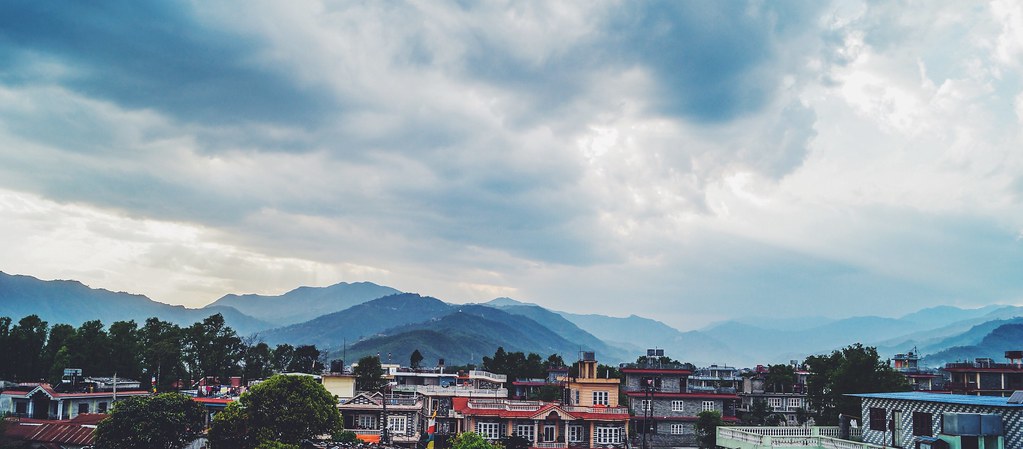
Nestled in the lap of the mighty Himalayas, Pokhara is often hailed as the crown jewel of Nepal’s tourist destinations. Unlike the bustling, crowded streets of Kathmandu, Pokhara offers a more laid-back, tranquil atmosphere, characterized by its beautiful lakes, lush green hills, and panoramic views of snow-capped mountains. Known as the gateway to the Annapurna Circuit, Pokhara serves as a base for trekkers and adventure enthusiasts, but it is also a wonderful destination for those seeking peace, culture, wellness, and natural beauty. Visitors to Pokhara are greeted with a unique blend of stunning landscapes, charming Nepali hospitality, and a variety of activities that cater to all types of travelers.
Pokhara lies approximately 200 kilometers west of Kathmandu and can be reached by road, air, or even by adventurous cycling routes. The city is divided into different areas, with the Lakeside district being the epicenter of tourism. Here, you’ll find a mix of cozy cafes, international restaurants, bustling markets, and accommodations for every budget. Yet, despite its popularity, Pokhara has managed to retain its laid-back charm and natural allure. Whether you are looking to relax by a serene lake, undertake adrenaline-pumping activities, explore historical sites, or simply soak in the views, Pokhara offers an unforgettable experience.
The city’s backdrop is dominated by the Annapurna Massif, Machhapuchhre (Fishtail Mountain), and other peaks of the Dhaulagiri and Manaslu ranges. On clear days, the reflection of these mountains in Phewa Lake is nothing short of magical. The surrounding hillsides are dotted with villages, forests, and rice fields, providing endless opportunities for exploration and discovery. The cultural fabric of Pokhara is also rich and diverse, with influences from various ethnic groups such as the Gurungs, Magars, and Newars. From ancient temples to vibrant festivals, Pokhara offers a window into the soul of Nepal.
In this comprehensive guide, we’ll cover the best things to see and do in Pokhara, offering in-depth information on attractions, activities, food, culture, and practical tips. Whether you’re a first-time visitor or a returning traveler, this guide will help you make the most of your time in this enchanting city.
Phewa Lake: The Heart of Pokhara
Phewa Lake, or Fewa Tal as it is locally known, is the centerpiece of Pokhara and undoubtedly one of Nepal’s most iconic natural landmarks. Spanning an area of almost 5 square kilometers, Phewa Lake is a tranquil, mirror-like body of water that reflects the towering peaks of the Annapurna and Dhaulagiri ranges. The lakeside promenade is the heartbeat of Pokhara, lined with vibrant cafes, shops, and guesthouses. Visitors can spend hours strolling along the shore, enjoying the fresh mountain air, and taking in the mesmerizing views.
Boating on Phewa Lake is an absolute must-do. Colorful wooden boats, known as doongas, are available for rent, either for self-paddling or with a boatman. Drifting across the calm waters, you’ll be treated to stunning vistas of Machhapuchhre, whose distinctive fishtail shape rises sharply above the valley. The experience is especially magical at sunrise and sunset, when the changing light paints the sky and mountains in hues of gold and pink. Many travelers also choose to pack a picnic and spend a leisurely afternoon on the lake, perhaps stopping at one of the small lakeside restaurants for a fresh fish meal.
In the middle of Phewa Lake sits the charming Tal Barahi Temple, a two-tiered pagoda dedicated to the Hindu goddess Barahi. The temple is accessible only by boat, adding to its mystique. On Saturdays and during festivals, the temple becomes a hub of activity, as devotees arrive to offer prayers and flowers. The setting is peaceful, with the gentle lapping of water and the occasional sound of temple bells creating a serene ambiance. Even if you are not religious, the island temple is a beautiful spot to visit and soak in the atmosphere.
Phewa Lake is not just for sightseeing; it is also a playground for water sports enthusiasts. Kayaking, paddleboarding, and even fishing are popular activities. On clear mornings, you might see paragliders descending from Sarangkot, their colorful wings mirrored on the surface of the water. The surrounding park areas are ideal for jogging, yoga, or simply relaxing with a book. In the evenings, the Lakeside area comes alive with music, laughter, and the delicious aroma of Nepali and international cuisines wafting from the many eateries.
Environmental conservation is a priority for the local community, and efforts have been made in recent years to preserve the lake’s ecosystem. Visitors are encouraged to respect the environment, avoid littering, and participate in community clean-up events if possible. Phewa Lake is, after all, the lifeblood of Pokhara and a source of pride for its residents.
World Peace Pagoda: Serenity Above the City
Rising majestically on a ridge to the south of Pokhara, the World Peace Pagoda (Shanti Stupa) is one of the city’s most recognizable landmarks. Built by Japanese Buddhist monks as part of an international movement to promote peace, the pagoda is a gleaming white structure surrounded by manicured gardens and prayer flags. Its serene location offers some of the best panoramic views in the region, including the Annapurna range, Phewa Lake, and the cityscape of Pokhara.
Reaching the World Peace Pagoda is an adventure in itself. Visitors can take a boat across Phewa Lake and then hike uphill through lush forests, a journey that takes about 45 minutes to an hour. The trail is well-marked and relatively gentle, making it suitable for most fitness levels. Along the way, you’ll pass through small settlements, spot local wildlife, and may even encounter villagers going about their daily routines. Alternatively, it is possible to drive up to the pagoda or hire a taxi for those who prefer a less strenuous ascent.
Upon arrival, the atmosphere of the World Peace Pagoda is one of tranquility and contemplation. The structure’s four gilded statues represent the life of Buddha, and the pagoda itself serves as a symbol of unity and harmony. It is a popular spot for meditation, photography, and reflection. The best times to visit are early morning or late afternoon, when the sunlight is soft and the surrounding scenery is at its most enchanting. Many visitors linger to watch the sunset, as the sky turns shades of orange and pink, casting a magical glow over the mountains and lake below.
The World Peace Pagoda also has a deeper significance for the local community. It stands as a testament to Nepal’s commitment to peace and spiritual values, welcoming people of all religions and backgrounds. Visitors are asked to dress modestly, remove their shoes before entering the inner circle, and respect the sanctity of the site. There are several small cafes and tea stalls nearby, where you can enjoy refreshments and chat with fellow travelers or locals.
For those seeking a longer walk, it is possible to continue hiking from the pagoda down to the village of Pumdi Bhumdi or to link up with other trails that traverse the surrounding hills. Birdwatchers and nature lovers will find the area rich in flora and fauna, with colorful butterflies, exotic birds, and flowering plants dotting the landscape. The World Peace Pagoda is not just a monument; it is a gateway to the natural and spiritual beauty of Pokhara.
Davis Falls and Gupteshwor Mahadev Cave: Nature’s Mysteries
A short distance from the city center lies one of Pokhara’s most intriguing natural attractions: Davis Falls, known locally as Patale Chhango. This unique waterfall is famous for the way it vanishes into an underground tunnel, creating a dramatic spectacle, especially during the monsoon season when the water volume swells. The legend behind its name dates back to the early 1960s, when a Swiss tourist named Mrs. Davis was swept into the tunnel by a sudden flood, leading to the site being named in her memory.
The waterfall itself is best from a series of observation points that allow visitors to appreciate the raw power and beauty of the cascading water. The surrounding park is landscaped with flowers, statues, and shaded walkways, making it a pleasant place for a stroll. There are also local artisans selling handicrafts and souvenirs at the entrance, providing an opportunity to pick up unique gifts.
Directly across the road from Davis Falls is the Gupteshwor Mahadev Cave, one of Nepal’s longest and most sacred underground passages. The cave entrance is marked by a small shrine dedicated to Lord Shiva, and as you descend the steps, you’ll find yourself enveloped in cool, damp air and the echoes of dripping water. The cave stretches for almost three kilometers, though only the first 600 meters are open to the public. Inside, the walls are adorned with stalactites and stalagmites, and there are several shrines and altars where locals come to pray.
One of the highlights of the Gupteshwor Mahadev Cave is the hidden view of Davis Falls from underground. As you reach the end of the accessible tunnel, a natural window allows you to see the waterfall as it disappears into the earth—a truly surreal sight. The cave is well-lit and has walkways, but visitors should still take care as the floor can be slippery, especially during the rainy season. Local guides are available for those interested in the history and legends associated with the cave.
Visiting both Davis Falls and Gupteshwor Mahadev Cave offers a fascinating glimpse into the geological and cultural wonders of Pokhara. These sites are easily accessible by taxi, bicycle, or even on foot from Lakeside. They provide a unique contrast to the city’s lakes and mountains, showcasing the diversity of natural attractions that Pokhara has to offer.
Sarangkot: Vantage Point for Sunrises and Adventure
Perched on a ridge north of Pokhara, the village of Sarangkot is renowned for its breathtaking sunrise views over the Annapurna and Dhaulagiri mountain ranges. On clear mornings, hundreds of visitors ascend to Sarangkot’s viewpoint to witness the first rays of sunlight illuminating the snow-capped peaks, creating a magical tableau that is etched in memory long after the visit. The experience is nothing short of spiritual, as the mountains gradually emerge from the darkness, bathed in golden light.
Reaching Sarangkot can be done by a short drive from Pokhara, followed by a brief uphill walk. For the more adventurous, it is possible to hike all the way from Lakeside, a journey that takes about two to three hours and passes through villages, terraced fields, and lush woodlands. The hike is moderately challenging but rewards trekkers with ever-changing views and the opportunity to interact with local villagers.
Apart from being a famed sunrise spot, Sarangkot is also the paragliding capital of Nepal. The thermals and wind conditions here are ideal for this exhilarating sport, and it is common to see colorful paragliders soaring high above the valley, with the Himalayas as a backdrop. Several reputable companies offer tandem paragliding flights, allowing even first-timers to experience the thrill of flight in a safe and controlled environment. The sensation of gliding silently above the landscape, with birds for company and the world spread out below, is truly unforgettable.
Sarangkot also offers opportunities for zip-lining, mountain biking, and photography. Small cafes and guesthouses in the village provide refreshments and accommodation, making it possible to spend the night and catch both sunrise and sunset. The village itself retains a rustic charm, with friendly locals, traditional houses, and a slower pace of life. Visiting Sarangkot is not just about the view; it’s about immersing yourself in the natural and cultural richness of the region.