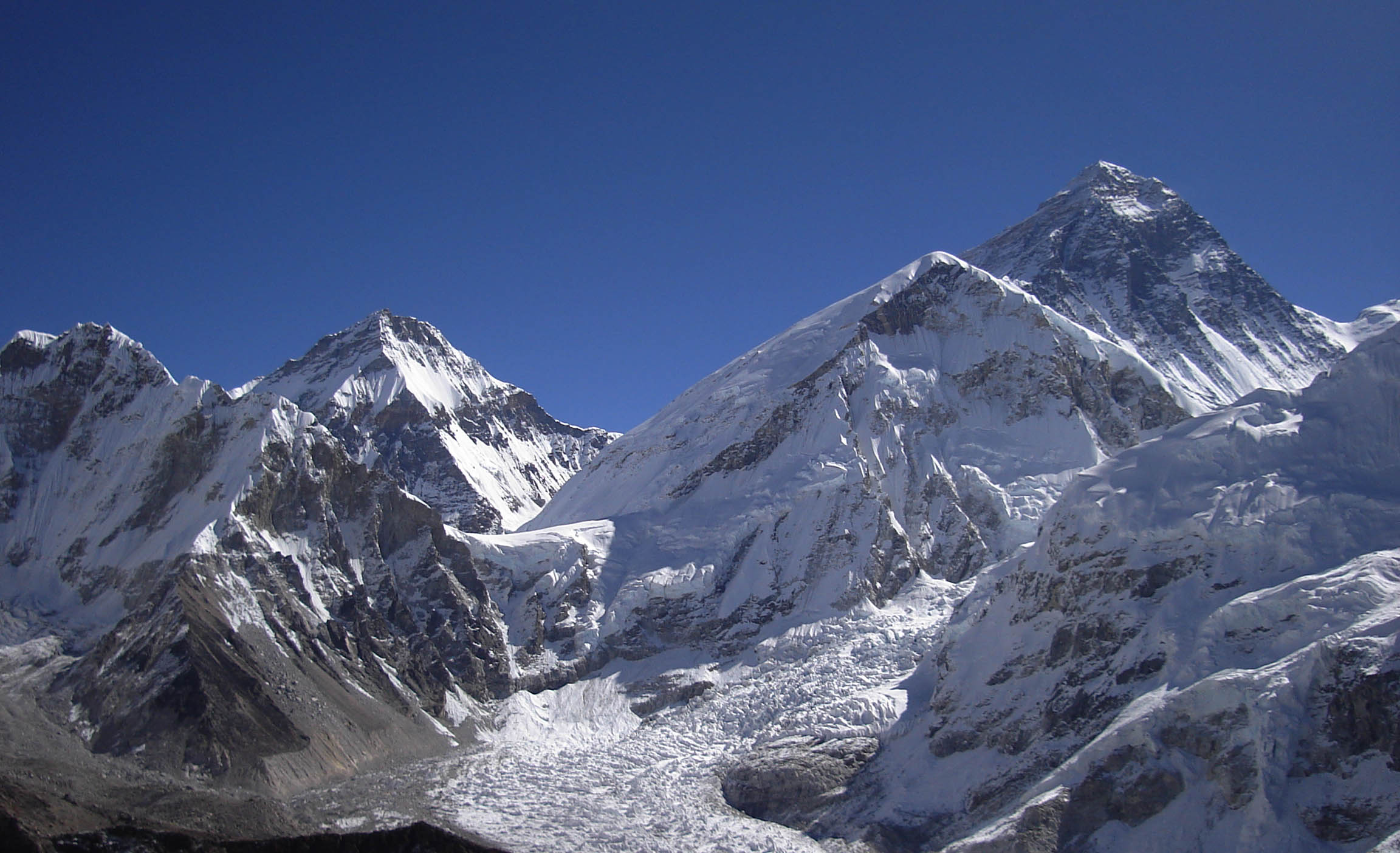
Mount Everest captures human imagination like no other landmark on Earth. Towering above the clouds, this massive peak represents the ultimate test of endurance, a sacred cultural site, and a complex environmental challenge. To understand Everest is to understand a unique intersection of geology, human ambition, and ecological fragility.
Geographical Significance, Location, and Height
Straddling the border between Nepal to the south and the Tibet Autonomous Region of China to the north, Mount Everest is the crown jewel of the Mahalangur Himal sub-range of the Himalayas. Its exact location makes it a focal point for both nations, drawing thousands of visitors to their respective base camps every year.
The mountain’s official height currently stands at 29,031.69 feet (8,848.86 meters). This measurement, jointly announced by Nepal and China in late 2020, settled years of debate and accounted for geological shifts following the devastating 2015 Nepal earthquake. Standing at this immense elevation, the summit of Everest punches into the stratosphere, subjecting it to extreme jet stream winds and rendering the air almost impossibly thin.
The Formation of the World’s Highest Peak
The story of Everest begins roughly 50 million years ago. The Indian tectonic plate, drifting northward at a rapid geological pace, collided with the massive Eurasian plate. Because both landmasses possessed similar rock density, neither plate could easily subduct or slide beneath the other. Instead, the earth crumpled and thrust upward, giving birth to the Himalayan mountain range.
Everest consists largely of sedimentary and metamorphic rocks. Fascinatingly, limestone bands near the summit contain the fossilized remains of ancient marine creatures, a stark reminder that the highest point on Earth once sat at the bottom of the Tethys Sea. The mountain continues to grow by a fraction of an inch each year as the tectonic collision continues.
A History of Exploration and the First Ascent
For centuries, Everest remained a distant, mysterious peak to the outside world, though local communities revered it. Western surveyors first identified it as the world’s highest mountain in 1852, eventually naming it after Sir George Everest, a former Surveyor General of India.
Early 20th-century expeditions, mostly led by the British from the Tibetan side, faced enormous logistical hurdles, uncharted terrain, and primitive equipment. The famous 1924 expedition saw George Mallory and Andrew Irvine disappear high on the mountain, leaving behind an enduring mystery regarding whether they reached the summit before they died.
The breakthrough came on May 29, 1953. New Zealand beekeeper Edmund Hillary and Nepali-Indian Sherpa Tenzing Norgay, part of a British expedition, successfully navigated the perilous Southeast Ridge. Reaching the summit, they spent just 15 minutes taking photographs and burying small offerings in the snow before beginning their descent. Their triumph proved that humans could survive the extreme altitude and sparked a new era of high-altitude mountaineering.
The Essential Role and Cultural Importance of the Sherpas
Any discussion of Everest remains incomplete without acknowledging the Sherpa people. An ethnic group native to the most mountainous regions of Nepal, the Sherpas possess unique genetic adaptations that allow them to thrive in oxygen-depleted environments.
To the Sherpas, the mountain is sacred. They call it Chomolungma, which translates to “Goddess Mother of the World.” Local customs dictate a deep respect for the mountain. Before any climbing season begins, climbers and local crew participate in a Puja ceremony to ask the mountain deities for safe passage and forgiveness for stepping on the sacred peak.
In the context of modern mountaineering, Sherpas are the backbone of the Everest industry. They fix the miles of ropes required to navigate the mountain, set up the high camps, carry the vast majority of food and supplemental oxygen, and act as expert guides. Without their expertise, labor, and physiological advantages, commercial climbing on Everest would be nearly impossible.
The Climbing Experience: Challenges and Risks
Climbing Everest requires months of preparation, profound physical endurance, and immense mental resilience. The journey typically takes about two months, allowing the human body time to acclimatize to the decreasing oxygen levels.
The route presents several formidable obstacles. The Khumbu Icefall, located just above the Nepalese Base Camp, is a terrifying maze of shifting ice seracs and deep crevasses. Climbers must navigate this unstable glacier using aluminum ladders and ropes, often moving before dawn when the ice is most stable.
Above 26,000 feet (8,000 meters) lies the “Death Zone.” Here, the oxygen level is only a third of that at sea level. The human body cannot acclimatize to this environment; it slowly begins to die. Climbers face severe risks of altitude sickness, including High Altitude Pulmonary Edema (HAPE) and High Altitude Cerebral Edema (HACE). Frostbite, extreme exhaustion, and sudden weather changes add to the deadly calculus of summiting the mountain.
Environmental Concerns and the Impact of Tourism
The surge in commercial climbing has transformed Everest. While the influx of climbers brings vital revenue to Nepal and local communities, it has triggered severe environmental and safety crises.
Decades of expeditions have left a tragic mark on the mountain. Discarded oxygen bottles, torn tents, food wrappers, and human waste litter the high camps. The extreme cold preserves this waste, making natural decomposition impossible. Additionally, the bodies of over 200 climbers who perished on the mountain remain there, frozen in time, as recovery is often too dangerous and expensive.
Overcrowding has also become a critical issue. In recent years, viral photos have shown long lines of climbers waiting on the exposed summit ridge. These “traffic jams” in the Death Zone are extremely dangerous, as climbers exhaust their limited supplemental oxygen and succumb to exposure while waiting their turn.
Global Significance and Future Challenges
Mount Everest stands as a monument to natural wonder and human perseverance. It drives the economy of the surrounding region and inspires millions of people worldwide. However, the mountain faces an uncertain future.
Climate change presents a severe threat. Rising temperatures are causing the Himalayan glaciers to melt at an unprecedented rate, destabilizing climbing routes and threatening the freshwater supply for millions of people downstream. Governing bodies in Nepal and China face mounting pressure to implement stricter climbing regulations, limit permits, and enforce aggressive waste management policies to protect the mountain’s fragile ecosystem.
Preserving Mount Everest requires balancing economic benefits with ecological survival. As we look to the future, the climbing community, local governments, and environmental organizations must work together to ensure that the Goddess Mother of the World remains a pristine, awe-inspiring peak for generations to come.
Frequently Asked Questions
1. How tall is Mount Everest?
Mount Everest is officially 29,031.69 feet (8,848.86 meters) tall, following a joint measurement by Nepal and China in 2020.
2. Where is Mount Everest located?
It is located in the Mahalangur Himal sub-range of the Himalayas, exactly on the border between Nepal and the Tibet Autonomous Region of China.
3. How did Mount Everest get its English name?
It was named in 1865 by the Royal Geographical Society upon a recommendation by Andrew Waugh, the British Surveyor General of India, in honor of his predecessor, Sir George Everest.
4. What are the local names for Everest?
In Nepal, it is known as Sagarmatha (“Peak of Heaven”). In Tibet, it is called Chomolungma (“Goddess Mother of the World”).
5. How old is Mount Everest?
The rock itself is hundreds of millions of years old, but the Himalayan mountain range began forming about 50 million years ago due to the collision of the Indian and Eurasian tectonic plates.
6. Is Mount Everest still growing?
Yes. Due to ongoing tectonic shifts, the mountain grows approximately a quarter of an inch (around 4 millimeters) every year.
7. Who were the first people to climb Mount Everest?
Edmund Hillary of New Zealand and Tenzing Norgay, a Sherpa of Nepal, were the first confirmed climbers to reach the summit on May 29, 1953.
8. Who was the first woman to climb Everest?
Junko Tabei, a Japanese mountaineer, became the first woman to reach the summit in 1975.
9. How long does it take to climb Everest?
An entire expedition typically takes about two months. Most of this time is spent acclimatizing to the high altitude at Base Camp and making rotational climbs to higher camps.
10. When is the best time to climb Mount Everest?
The primary climbing season is in May, just before the summer monsoon season begins. There is a brief window in the fall, but it is much colder and less popular.
11. How much does it cost to climb Everest?
The cost varies wildly depending on the outfitter, ranging from $40,000 to over $100,000. This covers permits, gear, Sherpa support, oxygen, and logistics.
12. What is the “Death Zone”?
The Death Zone refers to altitudes above 26,000 feet (8,000 meters). At this height, the oxygen level is insufficient to sustain human life for long periods.
13. Do all climbers use supplemental oxygen?
The vast majority do. Only a very small percentage of elite mountaineers attempt the climb without supplemental oxygen, which vastly increases the risk of altitude sickness and frostbite.
14. Who are the Sherpas?
Sherpas are an ethnic group native to the mountainous regions of Nepal. They are highly valued in the climbing industry for their mountaineering expertise and genetic adaptation to high altitudes.
15. What is the Khumbu Icefall?
It is a dangerous, rapidly moving glacier located just above Everest Base Camp in Nepal. Climbers must navigate deep crevasses and towering ice seracs using ropes and ladders.
16. How cold does it get on the summit?
Temperatures on the summit can drop to -76°F (-60°C). Even during the warmer summer months, it rarely rises above freezing.
17. What kind of permits are required?
Climbers need a climbing permit from either the Nepalese government (currently costing $11,000 per foreign climber) or the Chinese government, depending on which side they climb.
18. Is there an age limit to climb Everest?
China enforces an age limit of 18 to 60 for the north side. Nepal currently requires climbers to be at least 16 years old but does not have a strict upper age limit.
19. How many camps are there on the mountain?
On the popular South Col route in Nepal, climbers utilize Base Camp and four distinct higher camps (Camp I, II, III, and IV) before making the final summit push.
20. What do climbers eat on the mountain?
At Base Camp, cooks provide fresh, carbohydrate-rich meals. Higher up on the mountain, climbers rely on freeze-dried meals, energy gels, chocolate, and soup.
21. Why are there so many dead bodies on Everest?
Retrieving a body from the Death Zone is extremely dangerous, physically demanding, and highly expensive. Consequently, most climbers who die on the mountain remain there.
22. How does weather affect the climb?
Extreme winds (driven by the jet stream) and sudden storms can make the mountain unclimbable. Expedition leaders rely heavily on advanced weather forecasting to find a safe “weather window.”
23. Can you see the curvature of the Earth from the summit?
No, while the view is incredibly vast and you can see across the Tibetan plateau and the Himalayas, the altitude is not high enough to clearly observe the Earth’s curvature.
24. What wildlife lives on Mount Everest?
At lower elevations, you can find snow leopards, Himalayan black bears, and red pandas. High up, wildlife is scarce, though the Himalayan jumping spider has been found as high as 22,000 feet.
25. Is there a trash problem on Everest?
Yes. Decades of commercial climbing have resulted in significant amounts of discarded gear, oxygen bottles, and human waste littering the high camps.
26. What is being done about the garbage?
Organizations and the local government run regular cleanup expeditions. Nepal also requires expedition teams to bring back a specific weight of garbage per climber or forfeit a substantial deposit.
27. Do I need previous climbing experience to attempt Everest?
Yes. Reputable guide companies require climbers to have significant prior experience on other high-altitude peaks (often 6,000m to 8,000m mountains) before attempting Everest.
28. How many people climb Everest every year?
The number fluctuates, but in recent years, approximately 500 to 800 people reach the summit annually during the spring climbing season.
29. Can I see Mount Everest without climbing it?
Absolutely. Thousands of tourists trek to Everest Base Camp each year. You can also book scenic flights out of Kathmandu that fly past the mountain.
30. Will Everest face future climbing restrictions?
Due to overcrowding, safety concerns, and environmental impact, both Nepal and China are continually revising their regulations. Future restrictions on permit numbers and stricter experience requirements are highly likely.