
Introduction
The Everest Base Camp (EBC) trek is one of the world’s most famous and iconic trekking adventures, attracting thousands of adventurers every year. Located in the Khumbu region of Nepal, the trek takes you to the foot of the world’s highest peak, Mount Everest (8,848 meters/29,029 feet), offering a blend of breathtaking landscapes, Sherpa culture, and personal challenge. Although it does not require technical climbing skills, the journey demands dedication, preparation, and respect for the natural environment and altitude.
The Route and Itinerary
The classic EBC trek usually starts from Lukla, a small mountain town accessible by a short, scenic flight from Kathmandu. The route ascends through the Dudh Koshi Valley, passing through a series of villages such as Phakding, Namche Bazaar, Tengboche, Dingboche, Lobuche, and finally Gorak Shep before reaching Everest Base Camp. The round trip generally takes 12 to 14 days, including crucial acclimatization days. Each day involves trekking distances ranging from 8 to 15 kilometers, with variable terrain and elevation gain. The full journey covers approximately 130 kilometers (80 miles) but feels much longer due to the thin air and rugged paths.
Daily Life on the Trail
A typical day on the EBC trek begins early, with trekkers waking up around sunrise. After breakfast at a teahouse, the trek begins, usually lasting five to eight hours with breaks for tea and lunch. The pace is slow and steady, crucial for acclimatization. The environment changes gradually from rhododendron forests and river valleys at lower altitudes to alpine meadows, rocky moraines, and glacial landscapes higher up. Every evening, trekkers settle into local teahouses, which provide basic but comfortable lodging and hot meals. Evenings are spent socializing, resting, and preparing for the next day.
Physical Demands and Preparation
While the EBC trek is accessible to people with strong determination and moderate fitness, it is physically demanding. The trek involves continuous walking for many days, often on steep, rocky, or uneven trails. Daily ascents and descents are common, and the thin air makes even simple exertion feel much harder. Prior hiking experience is helpful, but not mandatory. However, training is highly recommended; this should include cardiovascular exercises (such as running, swimming, or cycling), long hikes with a loaded backpack, and stair climbing to build leg strength and endurance. Flexibility and core exercises are also beneficial to prevent injury.
Altitude and Acclimatization
One of the major challenges on the EBC trek is altitude. Starting from Lukla at 2,860 meters (9,383 feet), trekkers ascend to Everest Base Camp at 5,364 meters (17,598 feet). At these elevations, the air contains less oxygen, making breathing more difficult and increasing the risk of Acute Mountain Sickness (AMS). Symptoms can include headache, nausea, dizziness, and fatigue. Proper acclimatization is vital: most itineraries include rest days at key points like Namche Bazaar (3,440 meters) and Dingboche (4,410 meters) to allow the body to adjust. Climbing high during the day and sleeping at lower altitudes is a common strategy to help with acclimatization.
Risks and Safety Concerns
Although thousands successfully complete the trek each year, there are inherent risks. Altitude sickness is the most serious concern, and in severe cases it can progress to life-threatening conditions such as High Altitude Pulmonary Edema (HAPE) or High Altitude Cerebral Edema (HACE). Immediate descent is the only effective treatment. Other risks include slips and falls on rocky or icy trails, weather-related hazards such as snow or storms, and illnesses like gastrointestinal infections. It is essential to have travel insurance that covers high-altitude trekking and helicopter evacuation. Carrying a basic first aid kit, water purification methods, and knowing the symptoms of AMS can make a significant difference in handling emergencies.
Accommodation and Food
One of the unique aspects of the EBC trek is the system of teahouses—simple lodges run by local Sherpa families. Teahouses provide basic but cozy rooms (usually twin beds), communal dining areas with a wood stove, and hearty meals. The menu offers a surprising variety, from traditional Nepali dal bhat (rice and lentil soup) to pasta, fried rice, pancakes, and even pizza. Food becomes more expensive and less varied at higher altitudes due to the difficulty of transportation. Hot showers and Wi-Fi are available at lower elevations but become rare and costly as you ascend. It’s important to eat well to maintain energy and stay hydrated, drinking at least 3–4 liters of water daily.
Sherpa Culture and Local Life
The EBC trek passes through the heart of the Sherpa homeland, offering trekkers a unique glimpse into the culture, traditions, and daily life of this renowned mountain community. Namche Bazaar, the largest town in the region, serves as a bustling hub with shops, bakeries, and markets. Along the way, you’ll encounter Buddhist monasteries (notably the famous Tengboche Monastery), chortens, prayer wheels, and colorful prayer flags fluttering in the wind. Respecting local customs and learning a few basic Nepali or Sherpa phrases can greatly enhance the experience.
Scenery and Highlights
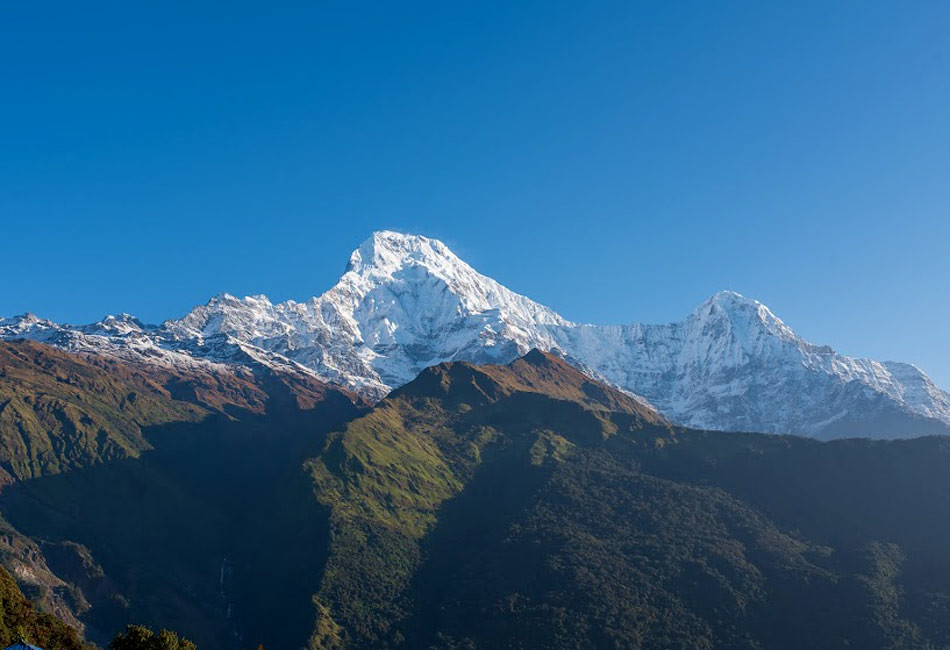
Few treks in the world can match the natural beauty and dramatic scenery of the Everest region. The landscape unfolds from lush forests and roaring rivers to pristine alpine valleys and towering ice-capped peaks. The trek offers constant views of some of the world’s highest mountains, including Everest, Lhotse, Nuptse, Ama Dablam, and Thamserku. Key highlights include crossing steel suspension bridges, visiting ancient monasteries, sunrise views from Kala Patthar (5,545 meters), and the emotional arrival at Everest Base Camp itself, surrounded by the mighty Khumbu Icefall and the colorful tents of mountaineering expeditions.
Weather and Best Seasons
Weather is a significant factor in the EBC trek’s difficulty. The best seasons are pre-monsoon (March–May) and post-monsoon (late September–November), offering stable weather, clear skies, and moderate temperatures. In spring, the rhododendrons bloom, adding color to the lower forests, while autumn provides crystal-clear mountain views. Winter trekking is possible but much colder, with snow and ice making the journey more challenging; summer (monsoon) brings heavy rain, mud, and clouds obscuring the views, making it the least popular season.
Logistics and Support
Most trekkers fly from Kathmandu to Lukla, which itself is an adventure due to the airport’s short, sloping runway and mountain weather. Permits are required: the Sagarmatha National Park permit and a Khumbu Pasang Lhamu Rural Municipality entrance fee. You can trek independently, but many opt for guided group treks or hire local guides and porters for support. Guided treks offer the advantage of local knowledge, logistical management, and safety, while porters can carry heavy bags, allowing you to walk with a light daypack. Independent trekkers must be comfortable with route-finding, arranging accommodation, and dealing with any emergencies alone.
Mental and Emotional Challenges
Beyond the physical and logistical challenges, the EBC trek is mentally demanding. The isolation, changing weather, and lack of modern comforts can be tough, especially as fatigue sets in. Maintaining a positive attitude, flexibility, and resilience is key. Teamwork and camaraderie with fellow trekkers or guides can boost morale. The journey also provides ample time for reflection, connection with nature, and appreciation of one’s own strength and determination.
Environmental Impact and Responsibility
The growing popularity of the EBC trek brings environmental challenges, including waste management, deforestation, and strain on local resources. Trekkers are encouraged to follow Leave No Trace principles—carry out all non-biodegradable waste, use refillable water bottles, and avoid single-use plastics. Choosing eco-friendly lodges, minimizing energy use, and respecting wildlife and local customs helps preserve this precious region for future generations.
Is the Trek Right for You?
The Everest Base Camp trek is within reach for most healthy, determined individuals who take the time to prepare physically, mentally, and logistically. Age is not a barrier—trekkers from teenagers to retirees have completed the journey. However, anyone with serious heart or lung conditions, or a history of altitude sickness, should consult a doctor and seriously consider the risks. Commitment to preparation and respect for altitude are essential.
Training and Preparation Tips
Start training at least three to six months before your trekking date. Build up to walking 5–8 hours per day, ideally on hilly terrain with a weighted backpack. Incorporate stair climbing, interval training, and long weekend hikes. Practice with your gear—boots, backpack, and clothing—to ensure comfort and avoid blisters or chafing. Prepare mentally by reading about the trek, watching documentaries, and connecting with past trekkers online or in person.
What to Pack
Packing light but efficiently is key. Essentials include well-broken-in trekking boots, moisture-wicking clothing, insulating layers for cold nights, a down jacket, a sleeping bag rated to at least -10°C (14°F), a reliable headlamp, water purification system, first aid kit, snacks, and cash (as ATMs are rare in the mountains). Trekking poles can help with balance and reduce strain on knees. Don’t forget sun protection (hat, sunglasses, sunscreen) and a camera to capture the incredible scenery.
Final Thoughts: The Reward
The trek to Everest Base Camp is much more than a physical journey; it is a profound personal adventure through some of the world’s most awe-inspiring landscapes and cultures. The sense of achievement upon reaching Base Camp is immense, but many trekkers find the journey itself—the people met, the lessons learned, and the beauty seen—equally rewarding. With proper preparation, respect for the environment and local culture, and the right mindset, the EBC trek is not just doable, but truly life-changing.