
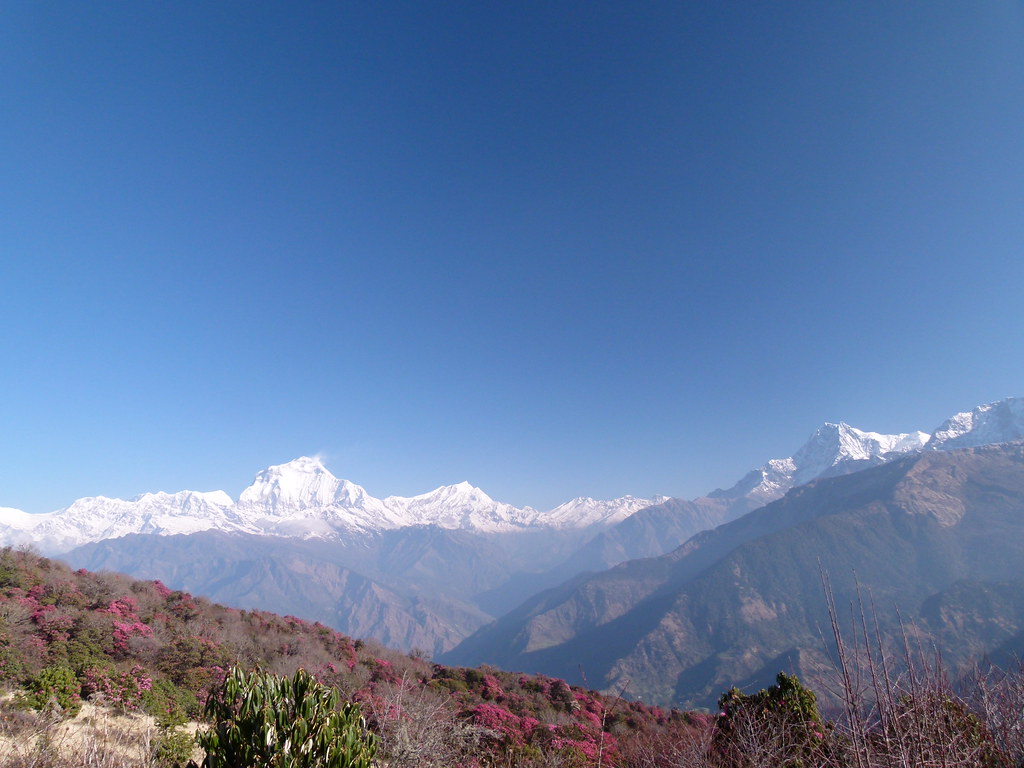
Imagine standing above the clouds as the first light of day paints the world’s highest peaks in brilliant shades of gold and pink. You feel the crisp mountain air fill your lungs, and suddenly, the early morning wake-up call feels entirely worth it. This is the magic of the Poon Hill trek in Nepal.
Tucked within the Annapurna Conservation Area, the Poon Hill trek offers one of the most rewarding short adventures in the Himalayas. It gives you a front-row seat to the staggering beauty of the Annapurna and Dhaulagiri mountain ranges without requiring weeks of strenuous climbing.
Whether you are lacing up your hiking boots for the first time or you are a seasoned trekker looking for a scenic getaway, this route delivers. In this guide, we will cover the stunning highlights of the trail, the rich local culture you will encounter, and all the practical details you need to plan your adventure.
Why the Poon Hill Trek Belongs on Your Bucket List
The Himalayas can feel intimidating, but this specific trail opens up the magic of Nepal to almost anyone. It combines natural grandeur with deep cultural immersion, making every step of the journey memorable.
The Legendary Sunrise Experience
The undisputed highlight of this journey is the early morning hike to the Poon Hill viewpoint. Sitting at an altitude of approximately 3,210 meters (10,531 feet), this vantage point offers a 360-degree panorama of the surrounding peaks.
Trekkers typically leave the village of Ghorepani well before dawn, hiking up stone steps under a canopy of stars. As you reach the top, the sun begins to rise, illuminating giants like Annapurna South, Machhapuchhre (Fishtail), and Dhaulagiri. Watching the snow-capped summits shift from cool blue to vibrant orange is an experience that stays with you forever.
Rich Cultural Encounters
A trek in Nepal is never just about the mountains. It is equally about the people who call these towering peaks home. The route winds through several traditional villages, most notably Ghorepani and Ghandruk.
These settlements are deeply rooted in the Gurung and Magar cultures. As you walk through these communities, you will pass terraced farmlands, traditional slate-roofed houses, and fluttering prayer flags. The locals are incredibly welcoming, often sharing their stories over a warm cup of sweet tea. Staying in local teahouses along the way allows you to support the community directly while enjoying authentic Nepalese hospitality and hearty meals like dal bhat.
Diverse and Stunning Landscapes
Nature lovers will find themselves captivated by the shifting environments along the trail. The lower elevations feature dense, moss-draped forests that feel straight out of a fairy tale.
If you visit during the spring, you will walk through vibrant forests of blooming rhododendrons, Nepal’s national flower. The splashes of red, pink, and white against the green canopy and white mountain peaks create a photographer’s paradise. You will also cross suspension bridges over rushing rivers and pass stunning waterfalls, ensuring the scenery never gets dull.
What to Expect on the Trail
Understanding the physical demands of the trail helps you prepare for a safe and enjoyable trip. While this is one of the more accessible routes in Nepal, it still requires preparation.
Difficulty Level: Moderate but Demanding
Guides generally classify the Poon Hill trek as moderate. You do not need technical climbing skills, ropes, or previous high-altitude experience. However, you do need a reasonable level of cardiovascular fitness.
The trail involves thousands of steep stone steps, particularly on the ascent from Tikhedhunga to Ulleri. You will be walking for several hours each day, often carrying a daypack. Preparing with regular hikes, stair climbing, or brisk walking in the months leading up to your trip will make the experience much more enjoyable.
Altitude Considerations
Because the maximum elevation is 3,210 meters, the risk of acute mountain sickness (AMS) is significantly lower here than on the Everest Base Camp or Annapurna Circuit treks. Still, it is important to listen to your body. Walk at a steady, comfortable pace, stay hydrated, and eat well to keep your energy levels high.
Planning Your Adventure: Practical Information
Getting the logistics right ensures a smooth journey from start to finish. Here is what you need to know to organize your trek.
The Best Seasons to Visit
Timing is everything when trekking in Nepal. You want clear skies for those panoramic views and safe trails for walking.
Spring (March to May): This is arguably the most beautiful time to visit. The weather is relatively warm, the skies are generally clear, and the rhododendron forests are in full bloom.
Autumn (September to November): This is the peak trekking season in Nepal. The monsoon rains have washed the skies clear, providing the crispest, most unobstructed views of the mountains. The temperatures are cool and comfortable for hiking.
While you can trek during the winter (December to February), expect freezing temperatures and occasional snow on the trail. The summer monsoon season (June to August) brings heavy rain, leeches, and slippery paths, making it the least favorable time to visit.
Itinerary and Duration
One of the main reasons this trek is so popular is its brevity. Most itineraries take between four and five days to complete, making it perfect for travelers on a tight schedule.
A standard four-day itinerary might look like this:
- Day 1: Drive from Pokhara to Nayapul (or Tikhedhunga) and trek to Ulleri.
- Day 2: Trek from Ulleri to Ghorepani, passing through dense forests.
- Day 3: Early morning hike to Poon Hill for sunrise, followed by a trek to Ghandruk or Tadapani.
- Day 4: Trek down to Nayapul and drive back to Pokhara.
Starting Points and Logistics
Your journey will almost certainly begin in Pokhara, a laid-back lakeside city that serves as the gateway to the Annapurna region. From Pokhara, you will take a taxi or a local bus to the trailhead.
Nayapul is the traditional starting point, located about an hour and a half away from Pokhara by road. However, recent road expansions mean many trekkers now drive slightly further to Tikhedhunga to shave a few hours off the first day’s walk. You will need two permits for this trek: the Annapurna Conservation Area Project (ACAP) permit and the Trekker’s Information Management System (TIMS) card. Your trekking agency can arrange these, or you can secure them yourself in Pokhara or Kathmandu.
Ready to Lace Up Your Boots?
The Poon Hill trek offers the perfect blend of natural beauty, physical challenge, and cultural discovery. It gives you a taste of the high Himalayas without the massive time commitment or extreme altitude risks of longer routes.
Start planning your trip by securing your flights to Nepal and deciding whether you want to hire a local guide or carry your own gear. Pack comfortable boots, bring a quality camera, and get ready for an unforgettable journey into the heart of the Annapurna range. The mountains are waiting.