
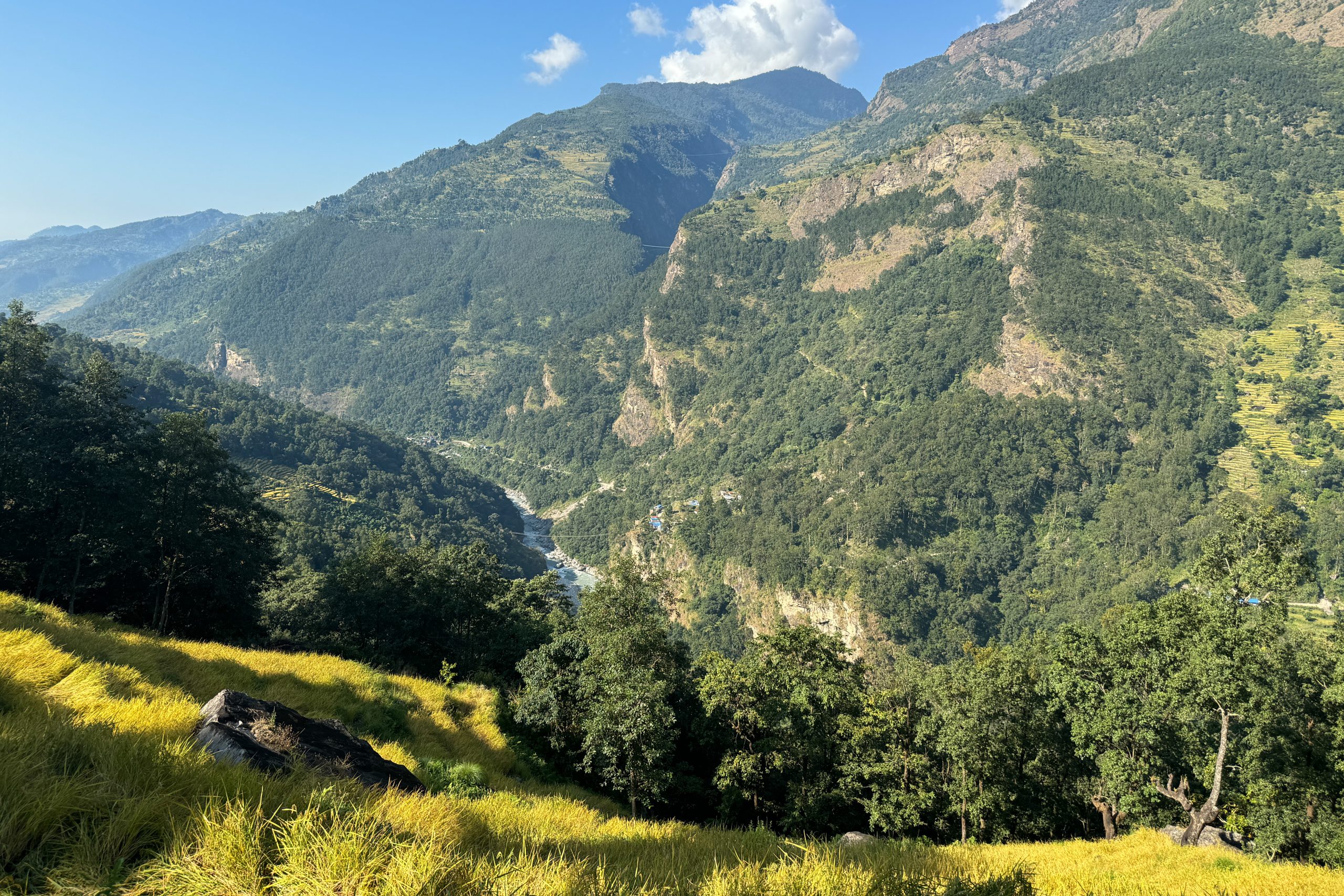
Deep in the heart of Nepal lies a village that serves as the doorway to one of the world’s most spectacular trekking routes. Machhakhola, a vibrant settlement perched along the rushing waters of the Budhi Gandaki River, offers far more than just a place to rest your head. For adventure seekers and cultural enthusiasts, it provides a fascinating glimpse into rural Himalayan life before the high-altitude trails begin.
Whether you plan to conquer the formidable Manaslu Circuit or simply want to experience the raw beauty of Nepal’s middle hills, Machhakhola stands ready to welcome you. This guide will walk you through everything you need to know about this picturesque village, from its rich local traditions to the essential logistics of your journey.
Here is what you will take away from this guide:
- The geographical significance of Machhakhola
- Insights into the local culture and traditions
- What to expect from the natural landscape
- Practical tips on getting there, where to stay, and when to visit
Where is Machhakhola? Geography and Location
Machhakhola rests in the Gorkha District of Nepal. The name literally translates to “Fish River” in Nepali, a nod to the lively stream that merges with the mighty Budhi Gandaki River right next to the village.
The Budhi Gandaki River Valley
The village clings to the steep sides of the Budhi Gandaki valley. This river originates from the high glaciers of the Manaslu region and carves a dramatic gorge through the mountains. When you arrive in Machhakhola, the sound of rushing water becomes the constant soundtrack to your stay. The valley here is lush, green, and humid, characterized by terraced farming that scales the incredibly steep hillsides.
Altitude and Climate
Sitting at an elevation of approximately 870 meters (2,854 feet) or 900 meters depending on exactly which part of the village you stand in, Machhakhola enjoys a subtropical climate. You will not need your heavy down jackets here. The days are generally warm and humid, while the nights offer a comfortable coolness. Because it sits at a relatively low altitude, altitude sickness is not a concern here, making it the perfect acclimatization starting point for the trek ahead.
The Gateway to the Manaslu Circuit Trek
For decades, the Annapurna Circuit held the crown for Nepal’s premier long-distance trek. However, as roads pushed further into the Annapurna region, trekkers began seeking wilder, less developed alternatives. The Manaslu Circuit emerged as the perfect solution, and Machhakhola is where the magic truly begins.
Starting the Journey
While some trekkers begin walking from Arughat or Soti Khola, road expansions mean that jeeps can now reach Machhakhola directly. As a result, this village has become the de facto starting line for most modern Manaslu Circuit itineraries. It is the last major settlement where you can find certain creature comforts before heading into the rugged, roadless wilderness of the Tsum Valley and upper Manaslu regions.
Trekking Logistics
Starting your trek in Machhakhola allows you to skip the dusty road walking of the lower valleys. From here, the trail immediately narrows into a proper trekking path. You cross suspension bridges, navigate rocky terrain, and begin the steady ascent toward the high Himalayas. The village serves as a vital checkpoint where guides finalize permits and trekkers do a final gear check before the real physical exertion begins.
Natural Beauty and Surroundings
You do not need to look far to find natural wonders in Machhakhola. The village is enveloped in a vivid landscape that feels entirely untamed.
Flora and Fauna
Because of its subtropical location, the area around Machhakhola is incredibly biodiverse. The hillsides are covered in dense forests of Sal trees, bamboo groves, and, depending on the season, blooming wildflowers. Birdwatchers will find plenty to look at, as the valley serves as a corridor for numerous avian species. You might also spot Langur monkeys swinging through the trees on the opposite side of the river.
Waterfalls and Landscapes
One of the most striking features of the area is the sheer number of waterfalls. During and immediately after the monsoon season, water cascades down the steep cliffs on all sides of the valley, feeding into the Budhi Gandaki. The contrast between the emerald green terraces, the dark rocky cliffs, and the white-water rapids creates a stunning visual experience that photographers will love.
Cultural Significance and Local Lifestyle
Machhakhola is not just a transit hub; it is a living, breathing community with deep roots. Understanding the local culture adds immense value to your visit.
The Gurung Community
The population of Machhakhola is primarily composed of the Gurung people, an ethnic group renowned for their bravery, hospitality, and rich cultural heritage. The Gurungs have a long history of serving in the famous Gurkha regiments of the British and Indian armies. Their traditional villages are characterized by tightly clustered stone houses with slate roofs, though modern tin roofs are becoming more common in Machhakhola due to road access.
Daily Life and Agriculture
Life in Machhakhola revolves around agriculture and, increasingly, tourism. You will see locals working the terraced fields entirely by hand or with the help of water buffalo. They grow rice, millet, corn, and seasonal vegetables. The rhythm of daily life is tied to the sun. Mornings start early with the lighting of cooking fires and the tending of livestock. As a visitor, observing this resilient and hardworking lifestyle offers a grounding perspective.
Traditions and Festivals
Religion plays a central role in the lives of the locals. You will notice a blend of Hinduism and Buddhism in this region. Small shrines and prayer flags begin to appear, signaling the transition from the Hindu-dominated lowlands to the Buddhist high mountains. If you visit during major festivals like Dashain or Tihar (usually in October or November), the village comes alive with music, feasting, and community gatherings.
What to Expect When You Visit
Visiting Machhakhola is an exercise in embracing simplicity. Do not expect luxury resorts or fine dining. Instead, expect genuine warmth and a rich, immersive experience.
The Teahouse Experience
Your accommodation in Machhakhola will be a traditional trekking teahouse. These are family-run lodges that provide a bed and home-cooked meals. The rooms are basic, usually featuring twin beds with thin mattresses and shared bathroom facilities. The heart of the teahouse is the communal dining room. This is where trekkers, guides, and locals gather around a central stove, share stories, and play card games.
Interacting with Locals
The people of Machhakhola are exceptionally welcoming. Learning a few words of Nepali, like “Namaste” (hello/I bow to you) or “Dhanyabad” (thank you), goes a long way. Locals are generally happy to chat, even if there is a language barrier. Engaging with your teahouse hosts or the shopkeepers provides a richer travel experience than keeping to yourself.
Food and Drink
Get ready for Dal Bhat. This traditional Nepali dish of lentil soup (dal), rice (bhat), and vegetable curry (tarkari) is the staple diet of the region. There is a popular saying on the trails: “Dal Bhat power, 24 hour.” Teahouses offer all-you-can-eat refills of Dal Bhat, making it the perfect fuel for trekking. You will also find menus offering fried rice, noodles, momos (dumplings), and flatbreads.
Practical Travel Tips for Machhakhola
Proper planning ensures your trip to Machhakhola is safe and enjoyable.
How to Get There
Reaching Machhakhola is an adventure in itself.
- From Kathmandu to Arughat: The journey begins with a drive from Kathmandu to Arughat or Soti Khola. You can take a local bus or hire a private jeep. The drive takes anywhere from 6 to 8 hours depending on road conditions.
- From Arughat/Soti Khola to Machhakhola: From Soti Khola, you must take a local 4×4 jeep along a rough, unpaved mountain road. This bumpy ride takes about 3 to 4 hours. The road is carved out of the cliffside and offers spectacular, if slightly nerve-wracking, views.
The Best Time to Visit
The best times to visit Machhakhola and undertake the Manaslu trek are during the spring and autumn seasons.
- Spring (March to May): The weather is warm, and the forests burst into color with blooming rhododendrons. The days are long and clear.
- Autumn (September to November): This is the peak trekking season. The monsoon rains have washed the skies clear, offering the most spectacular mountain views and stable weather.
Avoid the monsoon season (June to August) as the roads to Machhakhola frequently wash out, and leeches infest the trails. Winter (December to February) is possible in Machhakhola itself, but the high passes of the Manaslu Circuit will be blocked by snow.
Permits Required
You cannot simply show up and walk the Manaslu Circuit. The region is a restricted area to protect its fragile environment and culture. You will need:
- A Manaslu Restricted Area Permit (RAP)
- A Manaslu Conservation Area Project (MCAP) permit
- An Annapurna Conservation Area Project (ACAP) permit (since the trek exits through the Annapurna region)
Crucially, you are legally required to trek with a registered guide. Solo trekking is strictly prohibited in this region. Your trekking agency will handle all these permits for you before you leave Kathmandu.
Accommodations and Facilities
While basic, Machhakhola has everything a trekker needs to prepare for the trail.
Where to Stay
There are several teahouses in the village. Places like the Chum Valley Hotel or the Tsum Valley Guest House are popular options. They offer clean beds, hot meals, and a friendly atmosphere. It is wise to have your guide book a room in advance during the peak autumn season, as beds fill up quickly.
Connectivity and Electricity
Machhakhola has access to electricity, so you can charge your devices here. However, teahouses usually charge a small fee for using the outlets. Bring a power bank to keep your phone and camera charged on the trail. Cellular reception is available for local SIM cards (NTC or Ncell), and some teahouses offer basic Wi-Fi for an extra charge. Enjoy the connectivity while it lasts, as it becomes scarce higher up the mountain.
Health and Safety Tips
Keeping yourself healthy in Machhakhola sets you up for a successful trek.
- Water Safety: Never drink untreated tap or river water. Always use water purification tablets, a filtering system, or buy boiled water from your teahouse.
- Hygiene: Bring your own hand sanitizer and toilet paper. Wash your hands frequently to avoid stomach bugs.
- Foot Care: Since Machhakhola is warm and humid, keep your feet dry. If you are starting your trek here, apply blister prevention tape before you start walking.
Beyond Machhakhola: The Trail Ahead
Leaving Machhakhola marks the true beginning of the Manaslu Circuit. The trail continues north, following the Budhi Gandaki River. You will pass through the natural hot springs of Tatopani, walk through incredibly narrow gorges, and eventually enter the high-altitude Tibetan-influenced villages of Namrung, Lho, and Samagaun. The journey transforms from a subtropical jungle trek into a high-alpine expedition, culminating in the crossing of the challenging Larkya La Pass at 5,106 meters.
Wrapping Up Your Machhakhola Experience
Machhakhola is much more than just a dot on the map or a logistical starting point. It is a vibrant, culturally rich village that offers a profound introduction to the Himalayas. By taking the time to appreciate its geography, engage with the Gurung locals, and respect its environment, you elevate your entire travel experience.
If you are planning your Manaslu Circuit trek, make sure to pack your spirit of adventure, secure your permits through a trusted agency, and prepare to be amazed by the raw beauty of Nepal. Book your jeep, lace up your boots, and get ready to experience the unmatched magic of Machhakhola.