
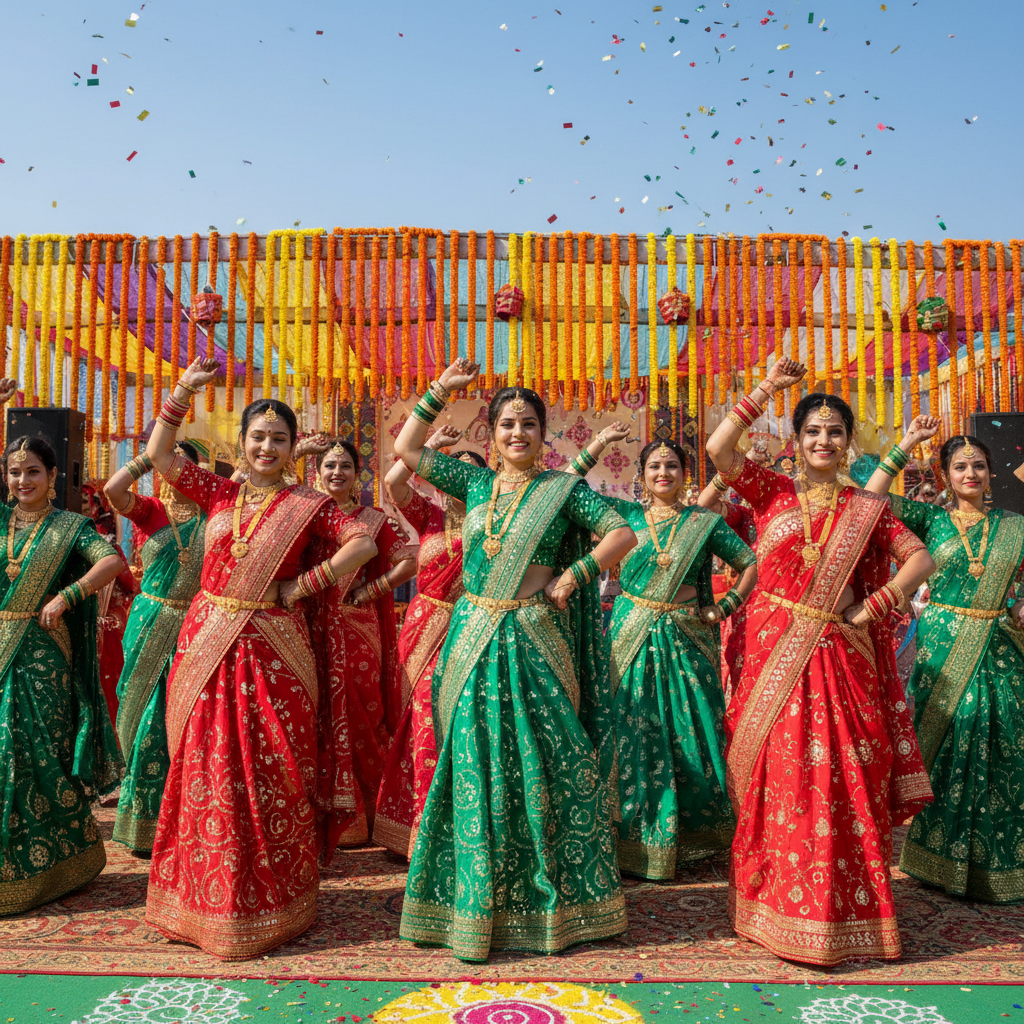
As the monsoon rains wash over the Indian subcontinent, transforming the parched earth into lush greenery, a vibrant festival of color, devotion, and joy takes center stage. Teej brings a wave of bright red attire, the rhythmic sound of glass bangles, and the joyous melodies of traditional folk songs to the streets of Nepal and northern India. Far from just a calendar event, this ancient Hindu festival represents a profound celebration of womanhood, spiritual endurance, and marital devotion.
For centuries, women have gathered during the monsoon months of August and September to observe Teej. They fast, pray, sing, and dance, honoring the divine union of Goddess Parvati and Lord Shiva. To truly understand the beauty of this festival, we must explore its mythological roots, its deep cultural significance, and the powerful way it brings communities together.
The Mythological Origins: A Tale of Ultimate Devotion
The foundation of Teej rests on one of the most revered love stories in Hindu mythology: the union of Lord Shiva and Goddess Parvati. According to ancient texts, Parvati fell deeply in love with Shiva, the ascetic god of destruction and regeneration. Shiva, however, remained absorbed in deep meditation, oblivious to the world around him.
To win his heart and prove her devotion, Parvati embarked on a journey of severe penance. She retreated to the Himalayas, where she meditated and fasted for years, surviving only on leaves and eventually nothing at all. Legend states that it took Parvati 108 rebirths of relentless devotion before Shiva finally noticed her unwavering love. Impressed by her absolute dedication, he accepted her as his wife.
Teej celebrates this very moment of divine union. The word “Teej” itself refers to the third day after the new moon or full moon, marking the auspicious days when Parvati and Shiva reconciled. Women observe this festival to emulate Parvati’s dedication, praying for the same strength, love, and longevity in their own marriages.
The Deep Significance of Teej for Women
While Teej honors a mythological event, its practical and emotional significance for women remains deeply rooted in everyday life and culture. The festival revolves around the well-being of the family. Married women observe the rituals to seek blessings for the health, prosperity, and long life of their husbands. Unmarried women also participate enthusiastically, praying for a loving and dedicated partner like Lord Shiva.
Beyond marital blessings, Teej serves as a powerful symbol of female empowerment and endurance. The rigorous fasting requires immense physical and mental strength, reflecting the resilience women carry in their daily lives. It offers a designated time for women to step away from their routine household chores, gather with their female relatives and friends, and celebrate their collective identity.
The Rituals and Traditions: Fasting, Feasting, and Prayer
The observance of Teej involves a blend of joyous feasting and strict asceticism. The festival usually unfolds over three days, each carrying its own set of unique rituals.
Day One: Dar Khane Din (The Grand Feast)
The festival kicks off with Dar Khane Din. On this day, women gather in groups, dressed in their finest clothes, to sing, dance, and share a magnificent feast. The feast features rich, hearty traditional foods, heavy in dairy and sweets, designed to give the women enough energy to sustain the upcoming fast. The celebrations often stretch late into the night, filled with laughter and the joyful exchange of stories.
Day Two: The Day of Fasting (Nirjala Vrat)
As midnight strikes, the strict fasting period begins. This day is marked by the Nirjala Vrat, a severe fast where participating women consume neither food nor a single drop of water for a full 24 hours. They visit temples dedicated to Lord Shiva, most notably the majestic Pashupatinath Temple in Kathmandu, Nepal.
The temple grounds transform into a sea of red as thousands of women gather to offer their prayers. They light oil lamps, offer flowers, milk, and sweets to the Shiva Lingam, and chant sacred mantras. Despite the physical toll of the fast, the atmosphere remains incredibly energetic. Women perform traditional circle dances and sing folk songs that narrate the struggles and joys of womanhood.
Day Three: Rishi Panchami (Purification and Breaking the Fast)
On the final day, women wake up early to perform purification rituals. They take holy baths, often using red mud and leaves from the Datiwan bush, to cleanse themselves of any spiritual impurities. After performing a final prayer (Puja) to the Sapta Rishi (the seven sages), the women break their fast with pure, wholesome foods, completing the festival cycle.
The Power of Red: Attire and Symbolism
You cannot talk about Teej without highlighting the overwhelming presence of the color red. During the festival, women dress heavily in vibrant red saris, lehengas, and kurtas. In Hindu culture, red stands as the ultimate symbol of auspiciousness, marital bliss, and prosperity. It represents the energy of creation and the deep bond of love between partners.
Alongside their red garments, women adorn themselves with specific jewelry and accessories that carry deep cultural meaning:
- Green Glass Bangles: The rhythmic clinking of glass bangles fills the air during Teej. Green bangles represent the lushness of the monsoon season and symbolize growth, harmony, and fresh beginnings within a marriage.
- Henna (Mehndi): Women decorate their hands and feet with intricate henna patterns. Tradition dictates that the darker the henna stain, the deeper the love between the husband and wife. The cooling effect of the henna also helps soothe the body during the strict fasting period.
- Sindoor and Mangalsutra: Married women apply bright vermilion (sindoor) to the parting of their hair and wear their sacred marital necklaces (mangalsutra) with immense pride, signaling their devotion to their spouses.
Regional Flavors: How Teej is Celebrated Across Borders
While the core essence of Teej remains the same, the specific customs vary beautifully across different regions of Nepal and India.
The Grandeur of Teej in Nepal
In Nepal, Haritalika Teej is one of the most widely anticipated national festivals. It is celebrated as a public holiday, allowing women from all walks of life to participate fully. The streets of Kathmandu shut down to accommodate the massive processions of women dancing and singing traditional Lok Dohori songs. These songs often carry a mix of devotional lyrics, social commentary, and lighthearted teasing about family dynamics. For many Nepali women, Teej also marks the rare occasion they return to their maternal homes, making it a deeply emotional and joyful reunion with their parents and siblings.
The Three Variations of Teej in India
In northern and western India, particularly in states like Rajasthan, Uttar Pradesh, Punjab, and Haryana, the festival takes on slightly different forms. India observes three distinct variations of Teej during the monsoon season:
- Hariyali Teej: Celebrated during the peak of the monsoon, “Hariyali” means green. This festival welcomes the rains and the resulting lush landscapes. Women dress in green, set up beautifully decorated swings on the branches of large trees, and sing traditional rain songs.
- Kajari Teej: Falling fifteen days after Hariyali Teej, Kajari Teej involves praying to the neem tree. Women gather to sing specific folk songs called “Kajris” that express the pain of separation from loved ones and the joy of the monsoon.
- Hartalika Teej: Similar to the Nepali celebration, this variation focuses heavily on the severe fast and the worship of clay idols of Shiva and Parvati, crafted by the women themselves.
In places like Jaipur, Rajasthan, Teej is celebrated with royal grandeur. A massive procession featuring a highly decorated idol of Goddess Parvati (referred to as Teej Mata) winds through the city streets, accompanied by marching bands, antique palanquins, and traditional dancers. Sweet shops overflow with Ghevar, a traditional disc-shaped Rajasthani sweet made specifically for this festival.
Community Bonding and the Sisterhood of Teej
Beyond the religious and marital aspects, Teej serves as a massive catalyst for community bonding. In many traditional setups, women live with their husband’s extended families and manage heavy domestic responsibilities. Teej provides a much-needed emotional release and a break from these duties.
When women return to their maternal homes for the festival, they reunite with childhood friends, sisters, and mothers. They share their grievances, exchange advice, and support one another. The songs sung during the dances often reflect the shared experiences of women, creating an atmosphere of deep empathy and solidarity. This sisterhood remains one of the most vital, yet understated, aspects of the festival.
Modern celebrations of Teej have also evolved to fit contemporary lifestyles. While many women still observe the strict Nirjala fast, others modify the rituals to accommodate demanding careers or health concerns, choosing to consume fruits or liquids. Cultural organizations and communities often host “Teej Milan” events, bringing women together in urban areas to celebrate their culture, dance to modern renditions of folk songs, and share a sense of belonging away from their hometowns.
An Enduring Legacy of Devotion
Teej is much more than a monsoon festival. It is a profound expression of faith, love, and the enduring strength of women. Whether it is a woman in a rural village singing folk songs by a swing, or an urban professional wearing red bangles to the office before an evening temple visit, the spirit of Goddess Parvati lives on in their devotion.
Through fasting, feasting, vibrant attire, and collective joy, Teej beautifully intertwines the spiritual with the social. It reminds us of the power of unconditional love, the importance of cultural roots, and the unyielding strength found in sisterhood. As long as the monsoon rains continue to wash over the earth, the vibrant red hues and joyful melodies of Teej will continue to celebrate the divine essence of womanhood.