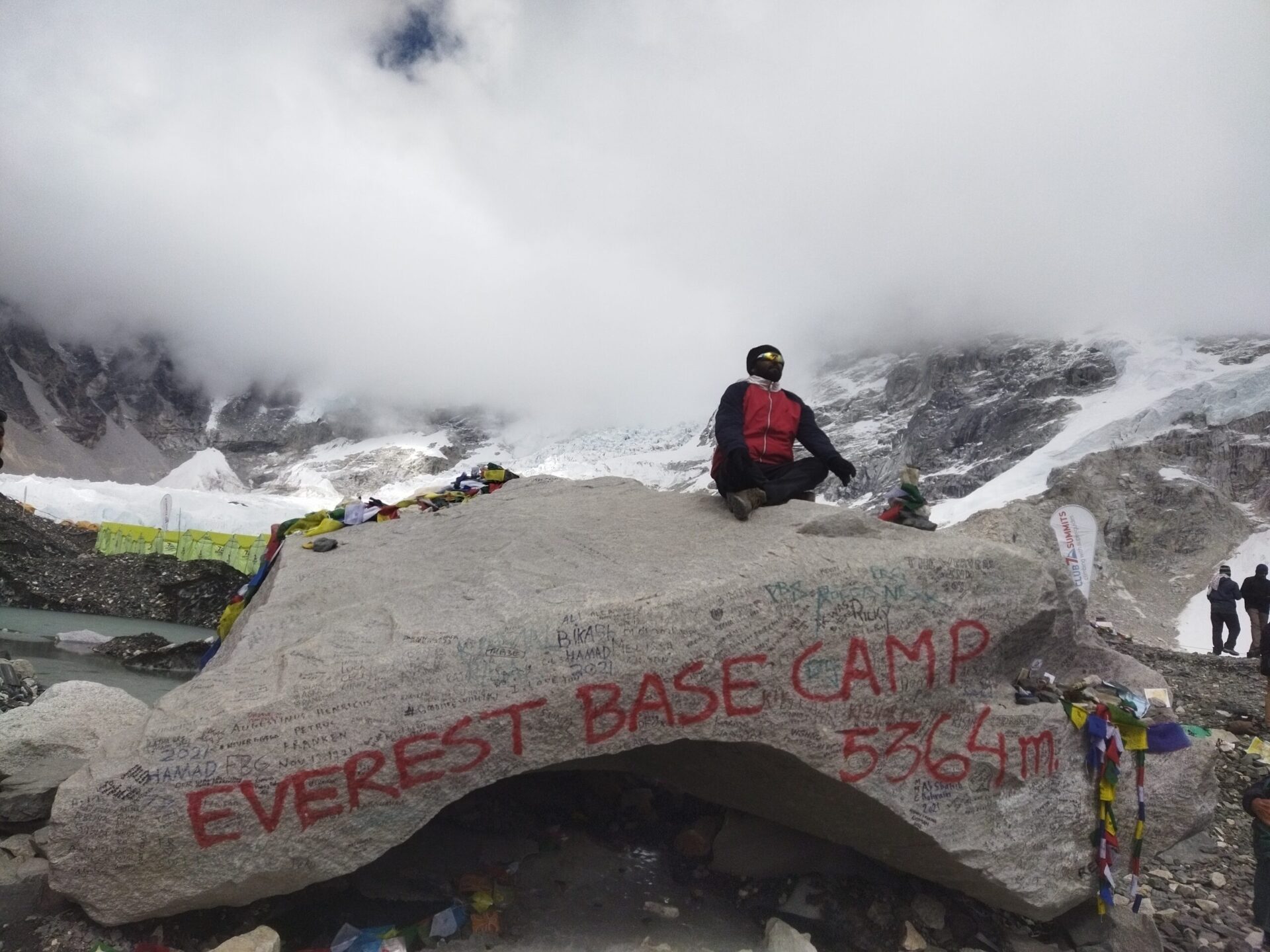
Standing at the base of the tallest mountain on Earth is a milestone for any adventurer. You have trained for months, broken in your hiking boots, and packed your gear. However, before you can set foot on the legendary trails of the Khumbu Valley, you need to handle some crucial paperwork.
Navigating the bureaucracy of trekking in Nepal can feel overwhelming. Rules change, new local fees emerge, and outdated information clutters the internet. You do not want to arrive at a checkpoint in the Himalayas only to discover you lack the proper documentation.
This guide breaks down everything you need to know about Everest Base Camp trek permits. You will learn exactly what documents you need, how much they cost, where to get them, and recent updates to the permit process so you can focus on the climb ahead.
Why Do You Need Permits for Everest Base Camp?
Trekking permits serve a dual purpose in Nepal. First, they fund the conservation of the delicate Himalayan ecosystem. Hundreds of thousands of people visit the Everest region every year. This massive influx of foot traffic puts intense pressure on local resources, waste management systems, and wildlife habitats. Your permit fees directly support the maintenance of trails, suspension bridges, and environmental protection programs.
Second, permits ensure your safety. When you register at checkpoints along the trail, local authorities track your progress. If a sudden snowstorm hits or an emergency occurs, search and rescue teams know exactly who is on the mountain and roughly where to find them.
Types of Everest Base Camp Trek Permits Required
As of 2026, you need two specific permits to trek to Everest Base Camp. The local government and national park authorities enforce these requirements strictly.
Khumbu Pasang Lhamu Rural Municipality Entrance Permit
The local government of the Everest region introduced this permit a few years ago to replace the old TIMS (Trekkers’ Information Management System) card for this specific route. The funds from this permit go directly into the local economy, helping build infrastructure and support the communities that live along the trail.
Every foreign trekker entering the Khumbu region must hold this local entry permit. You cannot skip this step, as local officials check it multiple times along the route.
Sagarmatha National Park Entry Permit
Everest Base Camp sits deep inside Sagarmatha National Park. The Nepalese government established this protected area in 1976, and UNESCO later designated it a World Heritage Site. To enter the park, you must purchase a national park entry permit.
The revenue from this permit supports the national park system, funding wildlife conservation efforts and the protection of endangered species like the snow leopard and red panda. You will present this permit at the park entrance gate in Monjo, a small village you pass through on your second day of trekking.
Do You Need a TIMS Card for EBC?
If you read older trekking blogs, you will see frequent mentions of the TIMS card. The Trekkers’ Information Management System card used to be mandatory for all treks in Nepal.
However, the rules changed for the Everest region. Local authorities in the Khumbu region decided to implement their own permit (the Khumbu Pasang Lhamu Rural Municipality Entrance Permit) to ensure funds stayed within the local community. Because of this, you no longer need a TIMS card for the standard Everest Base Camp trek.
Note: If you plan to hike into the Everest region from Jiri or Salleri instead of flying into Lukla, you will cross through other districts before reaching the Khumbu region. In this specific case, you may still need a TIMS card for the lower sections of the trek.
Where to Obtain Your Everest Base Camp Permits
Getting your permits is a straightforward process, but knowing exactly where to go saves you time and frustration.
Getting Permits in Kathmandu
You can secure your Sagarmatha National Park Entry Permit before you even leave the capital city. Head to the Nepal Tourism Board office located on Pradarshani Marg in Kathmandu. The office opens from 10:00 AM to 5:00 PM, though they stop issuing permits around 4:00 PM.
Bring your passport and the required fees. The process usually takes about 15 to 30 minutes, depending on the queue. Getting this permit in Kathmandu helps you avoid lines later on the trail.
You cannot, however, get the Khumbu Pasang Lhamu Rural Municipality Entrance Permit in Kathmandu. Local authorities only issue this permit within the Everest region itself.
Getting Permits in Lukla and Monjo
Most trekkers prefer the convenience of grabbing all their permits on the trail.
When you fly into the Tenzing-Hillary Airport in Lukla, you will walk to the edge of the village to begin your trek. Right at the end of Lukla, you will find a dedicated counter for the Khumbu Pasang Lhamu Rural Municipality Entrance Permit. You simply hand over your fee, and they issue the permit on the spot.
For the Sagarmatha National Park Entry Permit, you can buy it at the park entrance gate in Monjo. This checkpoint sits right on the main trail, making it impossible to miss. You will hand over your passport, pay the fee, and receive your permit.
If you hire a trekking agency, your guide will handle all of this paperwork for you. You can sit back, drink a cup of tea, and let them deal with the logistics.
Everest Base Camp Permit Costs
Budgeting for your trek requires accurate information on permit fees. All fees are payable in Nepalese Rupees (NPR), so make sure you carry enough local cash. Trail checkpoints do not accept credit cards or foreign currency.
Khumbu Pasang Lhamu Rural Municipality Entrance Permit:
- Cost: 2,000 NPR per person (approximately $15 USD).
- Note: This fee applies to all foreign nationals.
Sagarmatha National Park Entry Permit:
- Cost for Foreigners: 3,000 NPR per person, plus a 13% VAT, totaling 3,390 NPR (approximately $25 USD).
- Cost for SAARC Nationals: 1,500 NPR per person.
- Cost for Nepalese Citizens: 100 NPR per person.
Prices can fluctuate slightly based on government regulations, but these core fees have remained relatively stable. Always carry a little extra cash just in case of unannounced price hikes.
Essential Documents Needed for Your Permits
You do not need to bring a mountain of paperwork to get your Everest Base Camp trek permits. Keep these essential items accessible in your daypack:
- Original Passport: You need your physical passport, not a photocopy. Officials will check your visa status and record your passport number.
- Nepalese Currency: Bring enough rupees to cover the exact fees. Getting change at remote checkpoints is often difficult.
- Passport-Sized Photos: While the Khumbu permit no longer requires photos (they scan your passport instead), the National Park permit application sometimes asks for one. Carry two passport-sized photos just to be safe.
Keep your permits safe in a waterproof bag or document holder. You will need to show them at multiple police checkpoints between Lukla and Everest Base Camp. If you lose them, you will have to buy them again.
Recent Changes and Important Rules for Trekkers
The Nepalese government frequently updates trekking regulations to improve safety and manage crowds. Recently, the Nepal Tourism Board announced a ban on solo trekking across many national parks. They require all foreign trekkers to hire a licensed guide or join a registered trekking agency.
While the Everest region local government initially pushed back against this blanket rule to keep the region accessible to independent hikers, regulations remain in flux. Always check the official Nepal Tourism Board website a few weeks before your departure to confirm the current status of the solo trekking ban in the Khumbu region.
Additionally, authorities strictly enforce drone rules. You cannot fly a drone inside Sagarmatha National Park without a specialized permit from the Ministry of Home Affairs, the Department of Tourism, and the Civil Aviation Authority of Nepal. Getting a drone permit is incredibly difficult and expensive. Do not bring a drone to Everest Base Camp unless you have secured this paperwork months in advance.
Conclusion
Securing your Everest Base Camp trek permits is the final administrative hurdle before you hit the trail. By understanding the specific permits required, knowing where to purchase them, and carrying the correct amount of Nepalese Rupees, you ensure a smooth start to your journey.
Double-check your packing list, confirm the latest trekking regulations regarding guides, and keep your passport handy. With your paperwork sorted, you are ready to focus entirely on the breathtaking views, the rich Sherpa culture, and the unforgettable experience of standing at the foot of Mount Everest.