
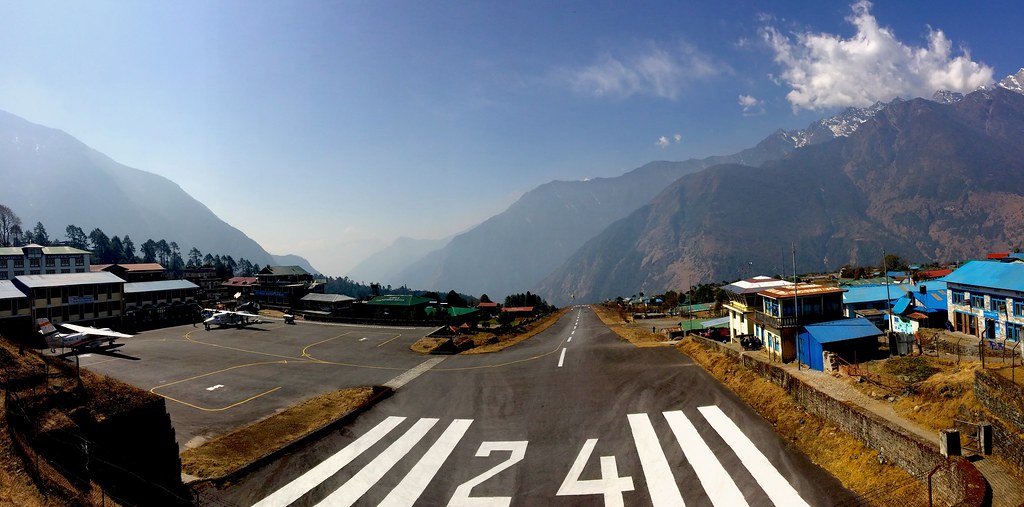
Most people know Lukla for a single, adrenaline-pumping reason: its airport. Nestled high in the Himalayas, this small Nepalese town serves as the primary starting point for anyone hoping to trek to Everest Base Camp. But reducing Lukla to a mere transit hub does a massive disservice to its rich history and vibrant culture.
This town offers an incredible blend of Sherpa heritage, stunning mountain vistas, and a welcoming atmosphere that prepares trekkers for the grueling journey ahead. Whether you plan to summit the highest peak on Earth or simply want to experience the beauty of the Khumbu region, your adventure likely starts right here.
In this comprehensive guide, we cover the significance, history, and culture of Lukla. We also dive into its famous airport, the best trekking routes, and local attractions. Finally, we wrap up with 30 frequently asked questions to help you plan the perfect Himalayan adventure.
The Significance of Lukla
Lukla sits at an elevation of 2,860 meters (9,383 feet) in the Solukhumbu District of northeastern Nepal. The name “Lukla” translates to “place with many sheep and goats,” although you will see far more trekkers and yaks there today.
As the official gateway to Mount Everest, Lukla holds immense economic and cultural importance for Nepal. Before the construction of its airport, trekkers had to walk for nearly a week from Jiri just to reach the Khumbu region. Today, a short 30-minute flight from Kathmandu drops you right into the heart of the mountains.
This accessibility transformed the local economy. Lukla now thrives on trekking tourism. The streets are lined with teahouses, gear shops, bakeries, and lodges, all designed to cater to international adventurers.
The History of Lukla
For centuries, Lukla remained a quiet, isolated farming community. The indigenous Sherpa people lived off the land, growing potatoes and raising livestock in the harsh alpine environment. Everything changed in the 1960s, thanks to Sir Edmund Hillary.
Following his historic 1953 ascent of Mount Everest with Tenzing Norgay, Hillary wanted to give back to the Sherpa community. He recognized that a local airstrip would drastically improve transportation, making it easier to bring in medical supplies and educational materials. In 1964, Hillary purchased a plot of uneven farmland in Lukla and worked with local Sherpas to build the airstrip.
Legend has it that Hillary bought local Sherpas a generous amount of local liquor (chhang) and asked them to perform a traditional foot-stomping dance on the runway to flatten the earth. The airstrip was paved in 2001, further cementing Lukla’s status as a vital hub for Himalayan exploration.
Sherpa Culture and Local Life
The heartbeat of Lukla is the Sherpa people. Renowned globally for their mountaineering prowess, Sherpas have a deep, spiritual connection to the Himalayas. They practice Tibetan Buddhism, and you will see evidence of their faith everywhere you look.
Colorful prayer flags flutter in the wind, sending mantras out into the world. Intricately carved mani stones line the trekking paths. It is customary to walk to the left of these stones to show respect.
Despite the massive influx of tourists, the people of Lukla maintain their traditional way of life. The community remains tight-knit. Many locals still wear traditional clothing, especially during festivals like Mani Rimdu, which features masked dances and vibrant celebrations. Visitors often find the warmth and hospitality of the Sherpa people to be the highlight of their trip.
Tenzing-Hillary Airport: A Thrilling Arrival
You cannot talk about Lukla without discussing the Tenzing-Hillary Airport. Often ranked as one of the most dangerous airports in the world, it offers an arrival experience you will never forget.
The airport sits on the side of a mountain, featuring a single, short runway measuring just 527 meters (1,729 feet). To help planes slow down upon landing, the runway has a steep 12% gradient. At one end of the runway lies a solid mountain wall; at the other, a sheer drop into a deep river valley.
Because of the extreme terrain and unpredictable mountain weather, flights only operate during daylight hours and under strict visual flight rules. Pilots who fly this route are highly trained and deeply experienced. While the landing feels like a rollercoaster ride, it is a necessary and thrilling first step on your Everest journey.
Top Trekking Routes Starting from Lukla
Lukla is the launchpad for several world-famous trekking routes. Here are the most popular options.
Everest Base Camp (EBC) Trek
The classic EBC trek takes about 12 to 14 days round trip. You will hike through the stunning Dudh Kosi valley, acclimate in the bustling town of Namche Bazaar, and eventually stand at the foot of the world’s tallest mountain.
Gokyo Lakes Trek
If you want fewer crowds and equally breathtaking views, the Gokyo Lakes trek is perfect. This route takes you to a series of pristine, turquoise glacial lakes. Many trekkers climb Gokyo Ri for a panoramic view of Everest, Lhotse, and Makalu that arguably rivals the view from EBC.
Three Passes Trek
For the ultimate challenge, the Three Passes Trek connects three high-altitude passes: Kongma La, Cho La, and Renjo La. This grueling 20-day circuit covers the entire Everest region, combining the EBC and Gokyo routes into one massive adventure.
Local Attractions in and Around Lukla
While most people leave Lukla immediately after landing, the town offers several worthwhile attractions if you have time to spare.
Kemgon Gompa
Just a short walk from the airport, you will find Kemgon Gompa, a beautiful Buddhist monastery. It offers a quiet space for reflection and a glimpse into the religious lives of the local community.
The Lukla Bazaars
The main street of Lukla is packed with small shops. You can buy last-minute trekking gear, souvenirs, and local handicrafts. It is also a great place to grab a coffee and a pastry at one of the surprisingly excellent local bakeries.
Surke Village
If you arrive early and want a short acclimatization hike, walk down to the nearby village of Surke. This trail offers a gentle introduction to the local terrain and provides excellent views of the runway from below.
Frequently Asked Questions
1. Where exactly is Lukla?
Lukla is located in the Khumbu region of northeastern Nepal, nestled in the Solukhumbu District. It serves as the primary entry point for the Everest region.
2. What is the elevation of Lukla?
Lukla sits at 2,860 meters, or 9,383 feet, above sea level. This altitude is high enough that some visitors feel slight shortness of breath upon arrival.
3. How do I get to Lukla?
Most travelers take a small, fixed-wing aircraft from Kathmandu or Ramechhap directly to Lukla. The flight takes about 30 to 45 minutes.
4. Are flights to Lukla safe?
While Tenzing-Hillary Airport has a reputation for being dangerous, accidents are quite rare. The airlines use strict safety protocols and highly trained pilots who specialize in mountain flying.
5. What happens if my flight is canceled?
Weather in the Himalayas is unpredictable, and flight cancellations are common. Always build at least two buffer days into your itinerary in case you get stranded in Kathmandu or Lukla.
6. Can I trek to Lukla instead of flying?
Yes. You can take a bus or jeep from Kathmandu to Jiri, Phaplu, or Salleri, and then trek to Lukla. This adds three to five days to your journey but helps immensely with acclimatization.
7. What is the best time to visit Lukla?
The best trekking seasons are pre-monsoon (March to May) and post-monsoon (late September to November). These months offer the clearest skies and most stable weather.
8. Do I need a visa to visit Nepal?
Yes, most foreign nationals require a visa to enter Nepal. You can easily obtain a tourist visa on arrival at the international airport in Kathmandu.
9. What permits are required to trek from Lukla?
You need a Khumbu Pasang Lhamu Rural Municipality entry permit and a Sagarmatha National Park entry permit. You can purchase both in Lukla or Monjo.
10. Is there a risk of altitude sickness in Lukla?
While 2,860 meters is relatively high, severe altitude sickness rarely occurs in Lukla itself. However, you must pace yourself as you hike higher into the mountains.
11. How do I prevent altitude sickness?
Walk slowly, stay highly hydrated, and do not consume alcohol. Follow the golden rule of trekking: “climb high, sleep low,” and always include acclimatization days in your itinerary.
12. Are there ATMs in Lukla?
Yes, there are a few ATMs in Lukla, but they are often out of cash or out of service. It is highly recommended to withdraw all the Nepalese Rupees you need in Kathmandu.
13. Is there cell service or Wi-Fi?
Yes, Lukla has decent cell service via Ncell and NTC networks. Most teahouses and cafes also offer Wi-Fi, usually for a small fee.
14. What should I pack for a trip to Lukla?
Pack layers. You need a good quality down jacket, a waterproof shell, sturdy trekking boots, a warm sleeping bag, and moisture-wicking base layers.
15. What is the baggage weight limit for flights to Lukla?
Airlines enforce a strict weight limit of 15 kg (33 lbs) per passenger. This includes both your checked duffel bag and your carry-on daypack.
16. What kind of accommodations are available?
Lukla offers a wide range of teahouses and lodges. These range from basic rooms with shared bathrooms to more luxurious options with attached facilities and heated blankets.
17. What food options are available?
You will find a surprising variety of food. Options include traditional Dal Bhat (lentil soup and rice), momos (dumplings), pizza, pasta, and excellent baked goods.
18. Is the tap water safe to drink?
No, never drink untreated tap water in Nepal. Bring a water purification system, such as a SteriPEN or water purification tablets, to treat your drinking water.
19. Do I need a guide to trek from Lukla?
While the main trails are well-marked and you can trek independently, hiring a guide is highly recommended. A guide provides safety, cultural context, and supports the local economy.
20. How much does a trip to Lukla cost?
Costs vary wildly based on your trekking duration and comfort level. A standard 14-day EBC trek typically costs between $1,200 and $2,500, including flights, permits, food, and lodging.
21. Are helicopters available in Lukla?
Yes, helicopters frequently fly in and out of Lukla. They are used for medical rescues, dropping supplies, and transporting tourists who prefer to skip the airplane flight.
22. What is the weather like in Lukla?
Weather changes rapidly. Mornings are usually clear and crisp, while clouds often roll in during the afternoon. Nighttime temperatures can drop below freezing, especially outside the summer months.
23. Are there hospitals or clinics in Lukla?
Lukla has a small hospital (Pasang Lhamu Nicole Niquille Hospital) capable of treating minor ailments and stabilizing patients for helicopter evacuation to Kathmandu.
24. What currency is used in Lukla?
The local currency is the Nepalese Rupee (NPR). While a few larger hotels might accept US dollars, you need Rupees for tea houses, snacks, and tips on the trail.
25. How do I respect the local culture?
Always ask permission before taking photos of locals. Walk to the left of mani stones and stupas, dress modestly, and remove your shoes before entering a monastery.
26. Do I need travel insurance?
Absolutely. You must have comprehensive travel insurance that explicitly covers high-altitude trekking (up to 6,000 meters) and emergency helicopter evacuation.
27. Can I charge my electronics in Lukla?
Yes, you can charge devices in your teahouse. In Lukla, charging is often free, but as you trek higher, teahouses will charge you an hourly rate to plug in your devices.
28. What are the toilets like on the trail?
In Lukla, most lodges have western-style flush toilets. However, as you trek higher into the mountains, expect to use traditional squat toilets. Always bring your own toilet paper.
29. Can kids do the trek from Lukla?
Families do trek in the Everest region, but it is challenging. Children must be old enough to communicate clearly about how they feel to prevent severe altitude sickness.
30. What do I do in a medical emergency?
If you suffer a severe injury or altitude sickness, your guide will contact your insurance company to arrange a helicopter rescue back to an advanced hospital in Kathmandu.
Conclusion
Lukla is far more than just a dangerous runway; it is the vibrant, beating heart of the Everest trekking industry. It represents the starting line for some of the greatest physical and mental challenges a traveler can undertake. By taking the time to understand its history, appreciate the local Sherpa culture, and prepare thoroughly for the elements, you set yourself up for an unforgettable Himalayan adventure.
Gather your gear, secure your flights, and get ready to experience the magic of the Khumbu region. Your journey to the top of the world starts right here