
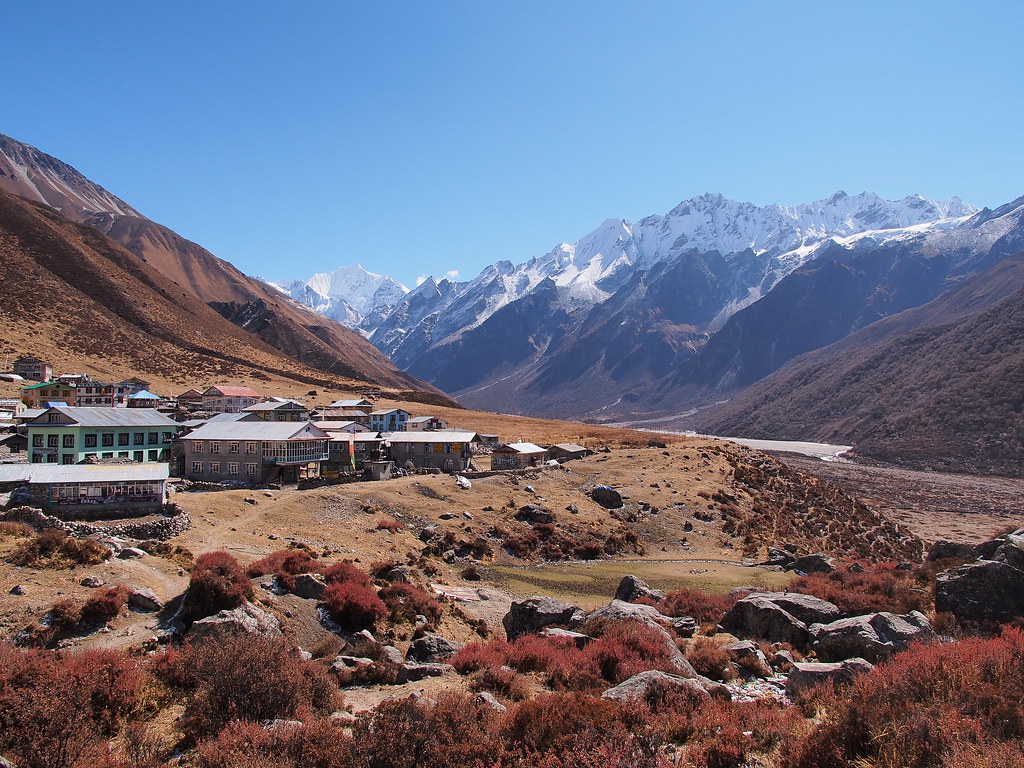
Tucked away just north of Kathmandu, the Langtang Valley offers some of the most breathtaking alpine scenery in Nepal. Often called the “valley of glaciers,” this trek combines rich Tamang culture with towering snow-capped peaks. However, your experience on the trail depends entirely on when you choose to go.
Weather in the Himalayas shifts dramatically throughout the year. Choosing the right season determines the clarity of your mountain views, the condition of the trails, and your overall safety. This comprehensive guide breaks down the four distinct trekking seasons in Langtang, highlighting what you can expect, pros and cons, and practical tips to help you prepare for the journey.
The Peak Seasons: Why Spring and Autumn Rule
Ask any seasoned trekker, and they will tell you that spring and autumn are the absolute best times to visit Langtang Valley. During these months, the weather stabilizes, offering clear skies and comfortable walking temperatures.
Spring (March to May)
Spring breathes life back into the Langtang region. As the winter snow melts, the valleys erupt with vibrant colors. Whole hillsides turn pink and red as rhododendron forests burst into bloom, providing a stunning contrast against the white peaks of Langtang Lirung.
Weather Conditions: Daytime temperatures in the lower regions range from 10°C to 20°C (50°F to 68°F). As you ascend toward Kyanjin Gompa, temperatures drop, but days remain pleasantly warm for walking. Nights are chilly, often dipping just below freezing at higher altitudes.
Pros:
- Incredible displays of blooming flora and active wildlife.
- Mild temperatures make for comfortable daily hikes.
- Longer daylight hours give you plenty of time to explore side trails.
Cons:
The trails and teahouses become quite busy.
Early spring (March) can still see occasional snowfalls at higher elevations.
Late spring (May) can bring a hazy sky before the monsoon breaks.
Autumn (September to November)
Autumn is widely considered the crown jewel of trekking seasons in Nepal. The monsoon rains have washed the dust from the atmosphere, leaving behind crystal-clear skies and unparalleled mountain visibility. If you want those postcard-perfect photographs of the Himalayas, this is the time to pack your bags.
Weather Conditions: Expect daytime temperatures similar to spring, hovering between 10°C and 15°C (50°F to 59°F) in the upper valley. Nights grow progressively colder as November approaches, often reaching -5°C (23°F) or lower at Kyanjin Gompa.
Pros:
- The clearest, sharpest mountain views of the year.
- Stable, predictable weather patterns with minimal precipitation.
- Opportunities to experience major Nepalese festivals like Dashain and Tihar.
Cons:
- This is the busiest time on the trail. You will share paths with many other trekkers.
- Teahouse accommodations fill up quickly, requiring advance booking or early arrivals.
The Off-Peak Seasons: For the Adventurous
Trekking during winter and summer presents unique challenges. While not traditionally recommended for first-time trekkers, these off-peak seasons offer distinct rewards for those willing to endure harsher conditions.
Winter (December to February)
Winter in Langtang transforms the valley into a quiet, frozen wonderland. The crowds vanish entirely, leaving you with uninterrupted solitude.
Weather Conditions: The cold is severe. Daytime temperatures struggle to climb above 5°C to 10°C (41°F to 50°F) in the sun. Nighttime temperatures routinely plunge below -10°C (14°F) at higher altitudes. Heavy snowfalls can occur, occasionally blocking higher passes like the Tserko Ri viewpoint.
Pros:
Absolute peace and quiet on the trails.
Stunning, dramatic winter landscapes with heavy snow cover.
Teahouse owners have more time to interact, offering deeper cultural exchanges.
Cons:
Extreme cold requires heavy, specialized winter gear.
Many teahouses at higher elevations close for the season.
Avalanche risks increase after heavy snowfalls.
Summer/Monsoon (June to August)
The monsoon season brings heavy rains to the Himalayas. Clouds blanket the peaks, and the trails turn muddy. However, the continuous rain transforms the Langtang Valley into a lush, vibrant green paradise, full of roaring waterfalls and rich vegetation.
Weather Conditions: It is warm and highly humid. Daytime temperatures can reach up to 30°C (86°F) in the lower regions. Rain occurs almost daily, usually starting in the late afternoon.
Pros:
Lush, green landscapes unlike any other time of year.
Empty trails provide a highly private trekking experience.
Botanists and nature lovers will enjoy the thriving plant life.
Cons:
Heavy rain washes out trails and increases the risk of landslides.
Mountain views are rarely visible through the thick clouds.
Leeches are abundant in the lower, forested sections of the trek.
Practical Tips for Every Season
Preparing correctly ensures your trek remains safe and enjoyable, regardless of the month you choose to hike.
What to Pack
Your packing list must adapt to the season, but layering remains the universal rule for Himalayan trekking.
Base Layers: Moisture-wicking thermal tops and bottoms are crucial for regulating body heat.
Insulation: Bring a high-quality down jacket. Even in spring and autumn, evening temperatures in the mountains drop sharply.
Outerwear: A waterproof and windproof shell jacket is essential. If trekking in the monsoon, waterproof trousers and gaiters are mandatory.
Footwear: Wear sturdy, broken-in trekking boots with good ankle support.
Sleeping Gear: Teahouse blankets are rarely enough. Bring a four-season sleeping bag, especially for autumn and winter treks.
Safety Precautions
Altitude sickness poses a serious risk on the Langtang trek, as you will sleep at elevations above 3,800 meters (12,400 feet).
Acclimatize: Do not rush your ascent. Take acclimatization days at Langtang Village or Kyanjin Gompa to let your body adjust to the thinner air.
Hydrate: Drink at least three to four liters of water daily. Dehydration mimics and worsens altitude sickness symptoms.
Hire a Local Guide: While Langtang is accessible to independent trekkers, hiring a local guide enhances your safety. Guides monitor the weather, recognize altitude sickness symptoms early, and navigate trail washouts or heavy snow effectively.
How to Prepare
The Langtang trek requires a moderate level of physical fitness. You will hike for five to seven hours a day over steep, uneven terrain.
Begin preparing at least two months before your trip. Focus on cardiovascular exercises like running, swimming, or cycling to build stamina. Supplement this with strength training for your legs and core. Most importantly, practice hiking on local trails while carrying a weighted backpack to simulate the conditions you will face in Nepal.
Plan Your Langtang Adventure
Choosing the best time to trek Langtang Valley ultimately comes down to your personal preferences. If you want warm weather and blooming flowers, book your trip for spring. If clear skies and perfect mountain views are your priority, aim for autumn. Whichever season you choose, proper preparation and the right gear will ensure your journey into the valley of glaciers is an unforgettable experience. Start gathering your gear, apply for your permits, and get ready to hit the trail.