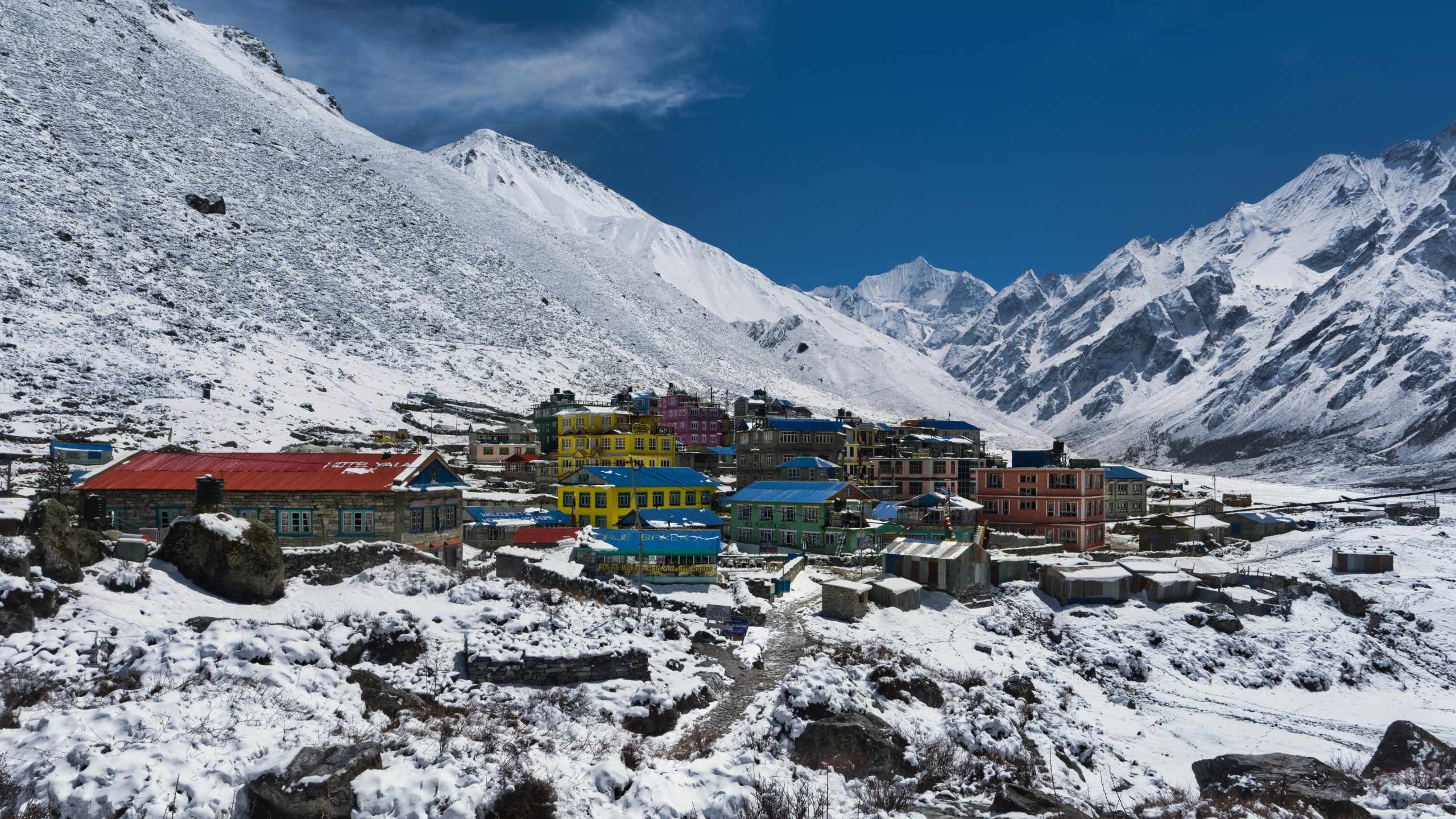
Tucked just north of Kathmandu, the Langtang Valley is often called Nepal’s “hidden gem” — a trek that delivers the drama of the high Himalayas, the warmth of Tamang mountain culture, and views of snow-draped peaks, all without the crowds or the long flights that come with routes like Everest Base Camp or the Annapurna Circuit. You can start walking from the roadhead within a day of landing in Kathmandu, and within a week you can be standing beneath Langtang Lirung at nearly 5,000 meters.
But “accessible” doesn’t mean “easy.” Langtang is still a high-altitude trek through remote mountain terrain, and a little preparation goes a long way toward making the experience joyful instead of miserable. This guide walks through everything you need to think about before you lace up your boots — timing, permits, fitness, gear, altitude, budget, and the small cultural details that make a trip like this feel less like tourism and more like travel.
Why Trek the Langtang Valley
Before getting into logistics, it’s worth understanding what makes this trek special, because that shapes how you prepare for it.
Langtang Valley sits inside Langtang National Park, close enough to the Tibetan border that the culture, architecture, and Buddhist prayer flags feel distinctly Tibetan-influenced. The valley was devastated by a massive landslide triggered by the 2015 earthquake, which destroyed the village of Langtang itself. In the years since, the community has rebuilt with quiet resilience, and trekking here today is also a way of supporting that recovery directly — homestays, teahouses, and guiding jobs are a lifeline for local families.
Compared to the Everest and Annapurna regions, Langtang offers a shorter, less crowded, and more budget-friendly alternative, while still climbing above 3,800 meters and delivering full Himalayan scenery: glaciated peaks, yak pastures, rhododendron forests, and a close-up view of Langtang Lirung (7,227m). It’s an excellent choice for trekkers who are short on time, first-timers testing their legs at altitude, or seasoned hikers looking for something quieter.
When to Go: Choosing Your Season
Timing is the single biggest factor in how enjoyable your trek will be, and it’s worth locking in before you plan anything else.
Autumn (late September to November) is the classic window. Skies are generally clear, temperatures are comfortable for walking, and visibility of the peaks is at its best. This is also the busiest season, so teahouses fill up faster and you’ll share the trail with more people.
Spring (March to May) is the second major season. Days are warm during the walk and cool at night, and the lower forests burst into blooming rhododendrons, turning the trail red and pink in places. Visibility can be a little hazier than autumn, especially by late spring, but the wildflowers and lighter crowds make it a favorite among repeat trekkers.
Winter (December to February) is possible but demanding. Kyanjin Gompa and the higher sections get cold, some teahouses close, and trails can be snow-covered above 4,000 meters. It’s doable for well-prepared, cold-tolerant trekkers who want solitude, but it’s not the best choice for a first Himalayan trek.
Monsoon (June to early September) is generally avoided. Heavy rain brings leeches in the lower forested sections, obscures mountain views with cloud, and increases the risk of landslides on the trail. Most agencies actively discourage trekking during this window.
If your schedule is flexible, aim for October–November or April–May. If you can only travel in winter or the shoulder months, it’s still worth going — just adjust your gear and expectations accordingly.
Permits and the Guide Requirement
Nepal’s trekking regulations have tightened in recent years, and Langtang is no exception, so it’s worth understanding the current rules rather than relying on older trip reports.
You need two documents to enter the region:
- Langtang National Park Entry Permit — costs roughly NPR 3,000 (around USD 22–27) for foreign nationals, checked at the park entry gate near Dhunche.
- TIMS Card (Trekkers’ Information Management System) — costs roughly NPR 1,000–2,000 depending on whether you’re trekking with a group or independently.
Together, the two permits generally add up to somewhere between USD 30 and 50 per person, a modest cost compared to restricted areas like Upper Mustang or Manaslu.
The more important change to know about: since 2023, Nepal has required all foreign trekkers on major routes, including Langtang, to be accompanied by a licensed guide. Solo, fully independent trekking without a guide is no longer permitted on this route. In practice this means booking through a registered trekking agency, or arranging a licensed guide directly, who will typically also handle your permits as part of the process. This is worth planning for early, since it affects your budget and how you structure the trip — you’re no longer choosing between “guided” and “independent,” but between a full-service package and a lighter guide-only arrangement.
Bring a handful of passport-sized photos and your passport for the permit paperwork, and keep printed copies of your permits on you at all times — there are checkpoints at both Syabrubesi and Dhunche where they’re checked.
Getting There
The trek begins in Syabrubesi, a small town roughly 7 to 8 hours from Kathmandu by road (sometimes longer depending on landslide-related road conditions, which are common in this part of Nepal). Most trekkers arrange this by local bus or shared/private jeep the day before starting the trek, since it’s a long enough drive that starting to walk the same day isn’t practical.
There’s no domestic flight involved, which is one of Langtang’s genuine advantages over Everest Base Camp — no dependence on weather-sensitive mountain flights, no early-morning airport scrambles. You simply drive in and walk out.
Physical Preparation: Getting Trek-Ready
Langtang doesn’t demand technical mountaineering skills, but you will be walking for five to eight hours a day on uneven terrain, gaining and losing significant elevation, for well over a week. The people who enjoy it most are the ones who show up with a reasonable base of fitness rather than trying to “power through” unprepared.
Start at least 6–8 weeks out. If you’re coming from a fairly sedentary routine, give yourself two months; if you’re already active, four to six weeks of focused training is plenty.
Build cardiovascular endurance. Hiking, brisk walking with a loaded pack, running, cycling, or swimming a few times a week will build the aerobic base you need. Aim for sessions of 45–60 minutes, gradually increasing duration.
Train on stairs and hills. Nothing mimics Himalayan trails quite like repeated elevation gain and loss. If you have access to stairs, hills, or a stair-climber machine, incorporate them weekly — this is genuinely one of the best predictors of how your legs will feel on trek.
Practice with a loaded daypack. Even if a porter carries your main bag, you’ll likely wear a daypack with water, snacks, and layers. Get used to walking with 4–6 kg on your back so it’s not a surprise on day one.
Add strength training. Squats, lunges, step-ups, and core work help protect your knees on long descents, which are often harder on the body than the climbs.
Break in your boots well before you leave. This can’t be overstated — blisters caused by new boots are one of the most common (and most preventable) reasons trekkers have a miserable trip. Wear your trekking boots on multiple long walks before you fly to Nepal.
You don’t need to be an athlete. Plenty of moderately fit trekkers complete Langtang comfortably; what matters is consistent preparation rather than sudden intensity.
A Sample Itinerary
Most Langtang Valley treks run 7 to 11 days depending on pace, side trips, and whether you include an extension to Tserko Ri or the Gosaikunda lakes. A fairly typical itinerary looks like this:
- Day 1: Drive from Kathmandu to Syabrubesi
- Day 2: Trek from Syabrubesi to Lama Hotel
- Day 3: Trek from Lama Hotel to Langtang village
- Day 4: Trek from Langtang village to Kyanjin Gompa
- Day 5: Acclimatization day at Kyanjin Gompa, with a side hike to Tserko Ri (around 5,000m) or Kyanjin Ri for sweeping views of Langtang Lirung
- Day 6: Trek back down from Kyanjin Gompa to Lama Hotel
- Day 7: Trek from Lama Hotel back to Syabrubesi
- Day 8: Drive back to Kathmandu
Trekkers with more time sometimes extend the route toward the Gosaikunda lakes or loop through Helambu, which adds several days but avoids retracing the same trail on the way down.
Daily walking times are generally in the 5–7 hour range, with the acclimatization day at Kyanjin Gompa being the most important day to not skip — this is where altitude preparation really pays off.
Altitude and Health
Kyanjin Gompa sits at around 3,870 meters, and side trips push higher still. That’s high enough for altitude sickness to be a real consideration, even for fit, experienced hikers — fitness doesn’t protect you from altitude illness the way many people assume.
A few practical habits make a significant difference:
- Ascend gradually and follow the itinerary’s built-in acclimatization day rather than rushing to make up time.
- Drink more water than feels natural — dehydration compounds altitude symptoms.
- Watch for early symptoms: headache, nausea, dizziness, and loss of appetite are common mild symptoms. They’re a signal to rest and hydrate, not to push higher.
- Never ascend further if symptoms worsen. The only real treatment for worsening altitude sickness is descending. This is true even if it disrupts the plan.
- Consider travel insurance that covers high-altitude trekking and helicopter evacuation — this is standard practice for treks above 3,000 meters and worth arranging before you leave home, not after you need it.
- Talk to a travel medicine doctor before your trip about altitude sickness medication, and about routine vaccinations recommended for travel to Nepal.
Guides on Langtang are generally experienced in recognizing altitude symptoms, which is one more good reason the guide requirement, while it adds cost, also adds a real safety margin.
What to Pack
Layering is the name of the game, since you’ll move from warm lowland forest to cold high-altitude mornings within the same trip.
Clothing:
- Moisture-wicking base layers (top and bottom)
- A warm mid-layer fleece or down jacket
- A waterproof, windproof outer shell jacket
- Trekking trousers, plus a warm layer for evenings
- A warm hat, sun hat, and gloves
- Wool or synthetic hiking socks (bring more pairs than you think you need)
- A broken-in pair of trekking boots, plus lightweight shoes or sandals for the teahouses in the evening
Gear:
- A daypack (30–40 liters) if a porter is carrying your main duffel
- A sleeping bag rated to at least -10°C to -15°C, since teahouse rooms are unheated and nights get cold
- Trekking poles — genuinely useful on the steep descents
- A headlamp with spare batteries
- A reusable water bottle and water purification tablets or a filter
- Sunglasses with strong UV protection and high-SPF sunscreen — the sun at altitude is intense even on cool days
- A basic first-aid kit including blister plasters, altitude medication if prescribed, and any personal medications
- Cash in Nepalese Rupees, since there are no ATMs once you leave Syabrubesi
Extras worth considering:
- A power bank, since charging in teahouses often costs a small fee and outlets can be scarce
- Wet wipes and hand sanitizer, since hot showers become rarer as you climb
- Snacks from home — energy bars or electrolyte packets are a nice supplement to teahouse food
Pack light where you can. If a porter is carrying your bag, most agencies cap porter loads around 10–15 kg, so it pays to be deliberate about what actually earns a spot in your duffel.
Budgeting for the Trek
Costs vary depending on how you structure the trip, but a few honest ranges are worth knowing before you commit.
A fully guided, all-inclusive package trek typically runs somewhere between USD 700 and 1,500 for a standard 8–11 day itinerary, depending on group size, comfort level, and whether transport is shared or private. On top of any package cost, budget roughly USD 25–35 per day for food and lodge accommodation if you’re paying separately, plus USD 30–50 for permits, and USD 40–60 for the round-trip jeep or bus to Syabrubesi if that’s not already included.
Tipping is customary and appreciated for guides and porters at the end of the trek — it’s worth budgeting for this separately, since it’s not usually included in package prices.
Bring more Nepalese Rupees in cash than you expect to need. Prices for food, snacks, hot showers, and charging tend to rise the higher you climb, since everything has to be carried in by porter or mule.
Culture and Trail Etiquette
Langtang’s villages are predominantly Tamang, with Tibetan Buddhist traditions visible everywhere — prayer wheels, chortens (stupas), and mani walls line the trail. A little cultural awareness goes a long way:
- Pass mani walls, chortens, and prayer wheels on your left, walking clockwise, in keeping with Buddhist tradition.
- Spin prayer wheels clockwise if you choose to spin them at all.
- Ask before photographing people, and be especially thoughtful photographing in and around Langtang village, which was rebuilt after the 2015 landslide and remains a place of loss as well as resilience for the community.
- Dress modestly, particularly around monasteries and gompas.
- Greet people with “Namaste” — it’s a small gesture that’s warmly received.
- Support the local economy directly by buying tea, snacks, and souvenirs from teahouses and shops along the trail rather than bringing everything from Kathmandu.
Final Thoughts
The Langtang Valley Trek rewards preparation without demanding perfection. You don’t need elite fitness or years of mountaineering experience — you need a realistic training plan, the right gear for cold nights and hot sun, a healthy respect for altitude, and enough buffer in your schedule to acclimatize properly rather than rush.
What you get in return is one of the most rewarding short treks in Nepal: forests thick with rhododendron and moss, yak pastures beneath towering ice walls, monasteries wrapped in prayer flags, and a warm welcome from a community that has rebuilt itself with remarkable resilience. Prepare well, walk at your own pace, and give yourself room to actually take it in — that’s really all the preparation this trek asks of you.
FAQ’s
1. How difficult is the Langtang Valley Trek?
The Langtang Valley Trek is considered moderately difficult. It involves 5–7 hours of walking per day, with some steep ascents and descents. The highest point, Kyanjin Ri (4,773 m) or Tserko Ri (4,984 m), makes altitude a challenge, but no technical climbing skills are required.
2. How many days do I need?
Most trekkers complete the Langtang Valley Trek in 7–10 days from Kathmandu. If you want a more relaxed pace or extra acclimatization, plan for 10–12 days.
3. Do I need a guide?
Yes. According to Nepal’s current trekking regulations, a licensed guide is required for the Langtang Valley Trek. A guide enhances your safety, manages logistics, and shares insights into the local Tamang culture and Himalayan environment.
4. Can beginners do the trek?
Absolutely. Beginners with a reasonable level of fitness can complete the trek. Preparing with regular walking, hiking, or cardio exercise for a few weeks before your trip will make the experience much more enjoyable.
5. How much money should I bring?
Bring NPR 2,500–4,000 (USD 20–35) per day in cash for personal expenses such as drinks, snacks, hot showers, charging devices, Wi-Fi, and tips. There are no ATMs beyond Syabrubesi, so withdraw enough cash in Kathmandu before starting the trek.
6. Is there a mobile network?
Yes, mobile coverage is available in many villages along the trail. NCELL and Nepal Telecom (NTC) provide service in several areas, although the signal becomes weaker at higher elevations. Many teahouses also offer paid Wi-Fi, but connections can be slow and unreliable.
7. What is the best time to trek in Langtang?
The best seasons are spring (March–May) and autumn (September–November), when the weather is stable, mountain views are clear, and trail conditions are ideal.
8. What permits are required?
You need two permits:
- Langtang National Park Entry Permit
- TIMS is generally not required when trekking with a licensed guide under the current system.
9. What is the highest point of the trek?
The highest overnight stop is Kyanjin Gompa (3,870 m). Popular viewpoints include Kyanjin Ri (4,773 m) and Tserko Ri (4,984 m).
10. Is altitude sickness a concern?
Yes. Although the trek is shorter than Everest Base Camp, you still reach high elevations. Ascend gradually, stay hydrated, and allow time for acclimatization, especially before hiking to Kyanjin Ri or Tserko Ri.